
Last updated November 2, 2026
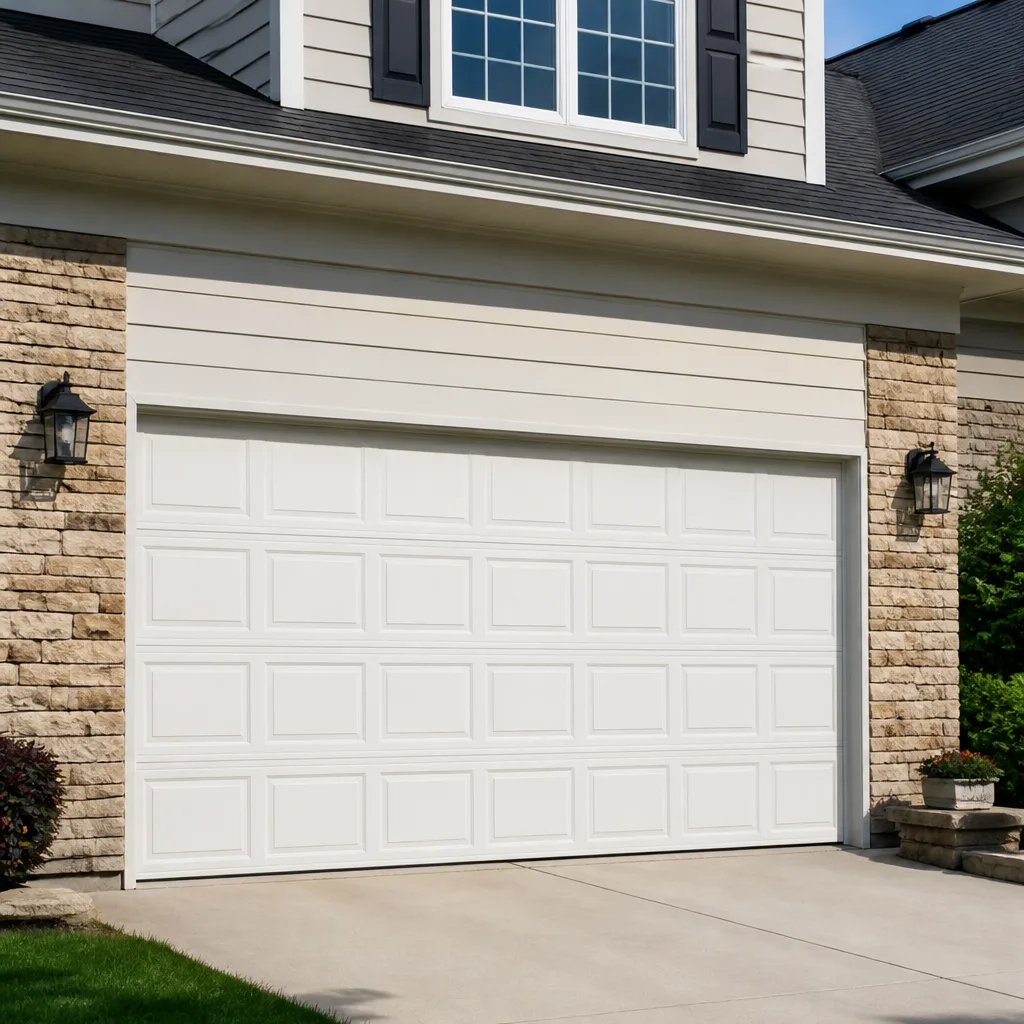 Raised-panel steel
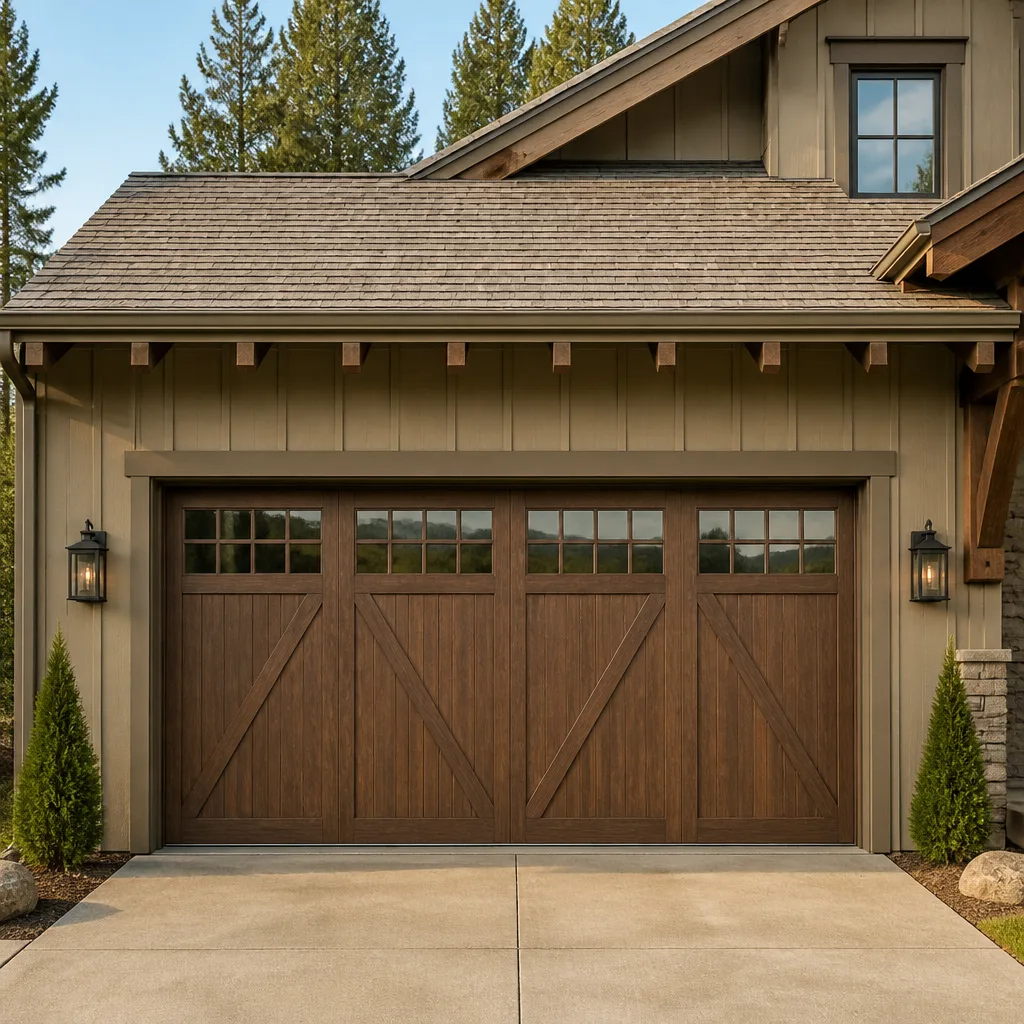 Carriage house
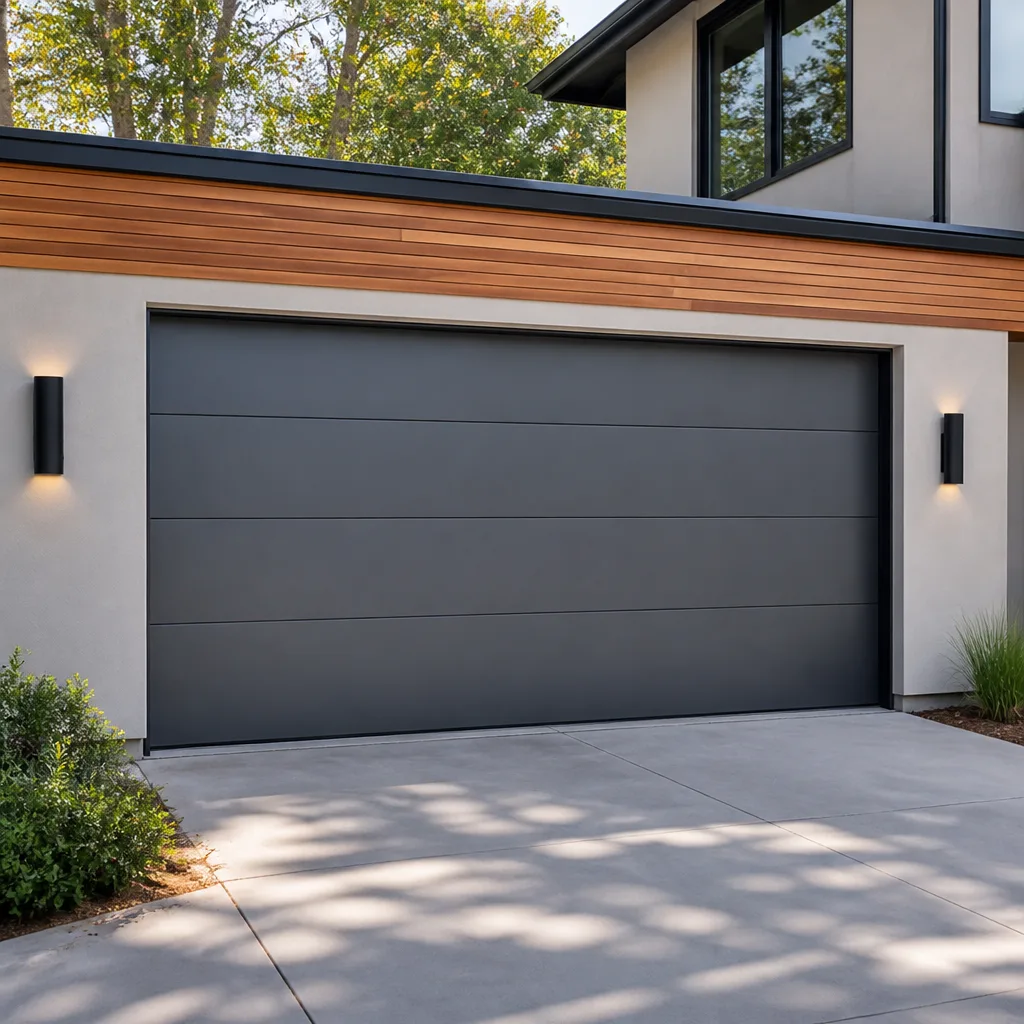 Modern flush
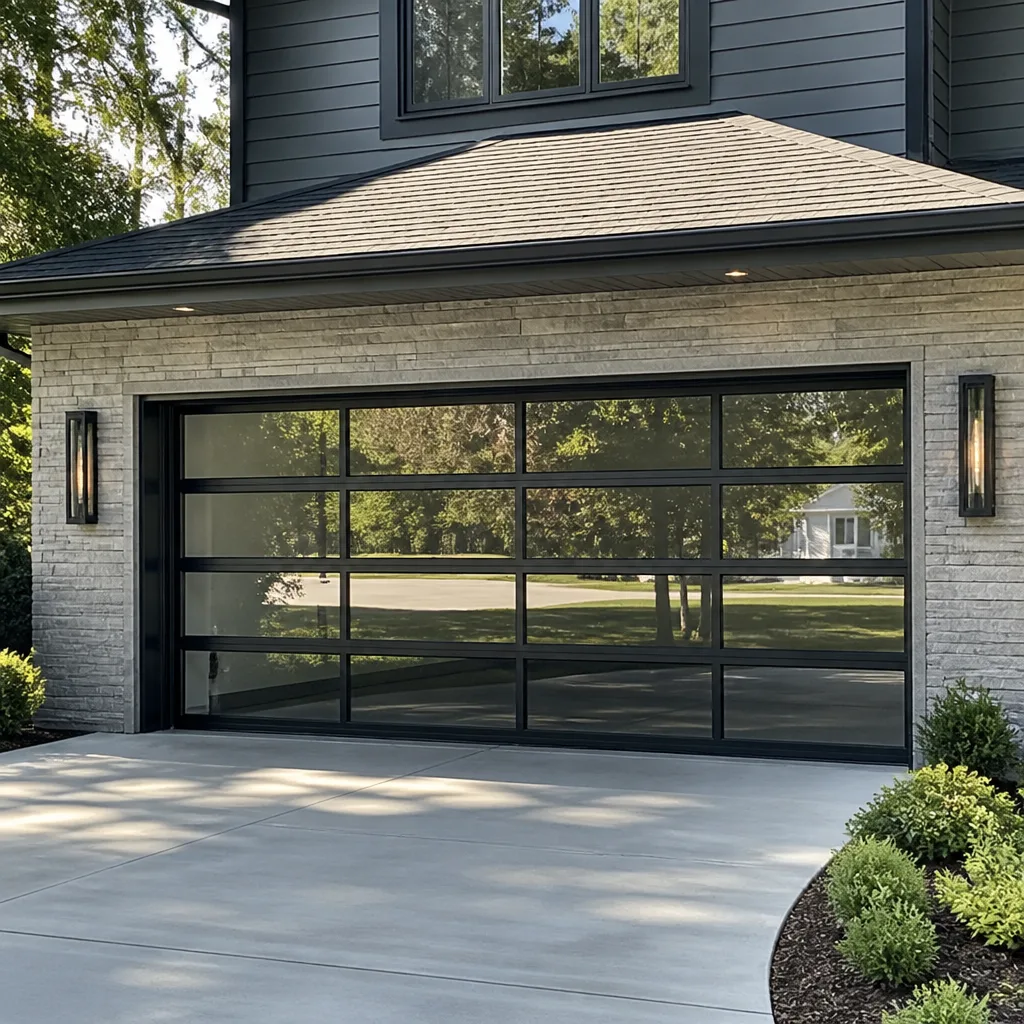 Full-view glass
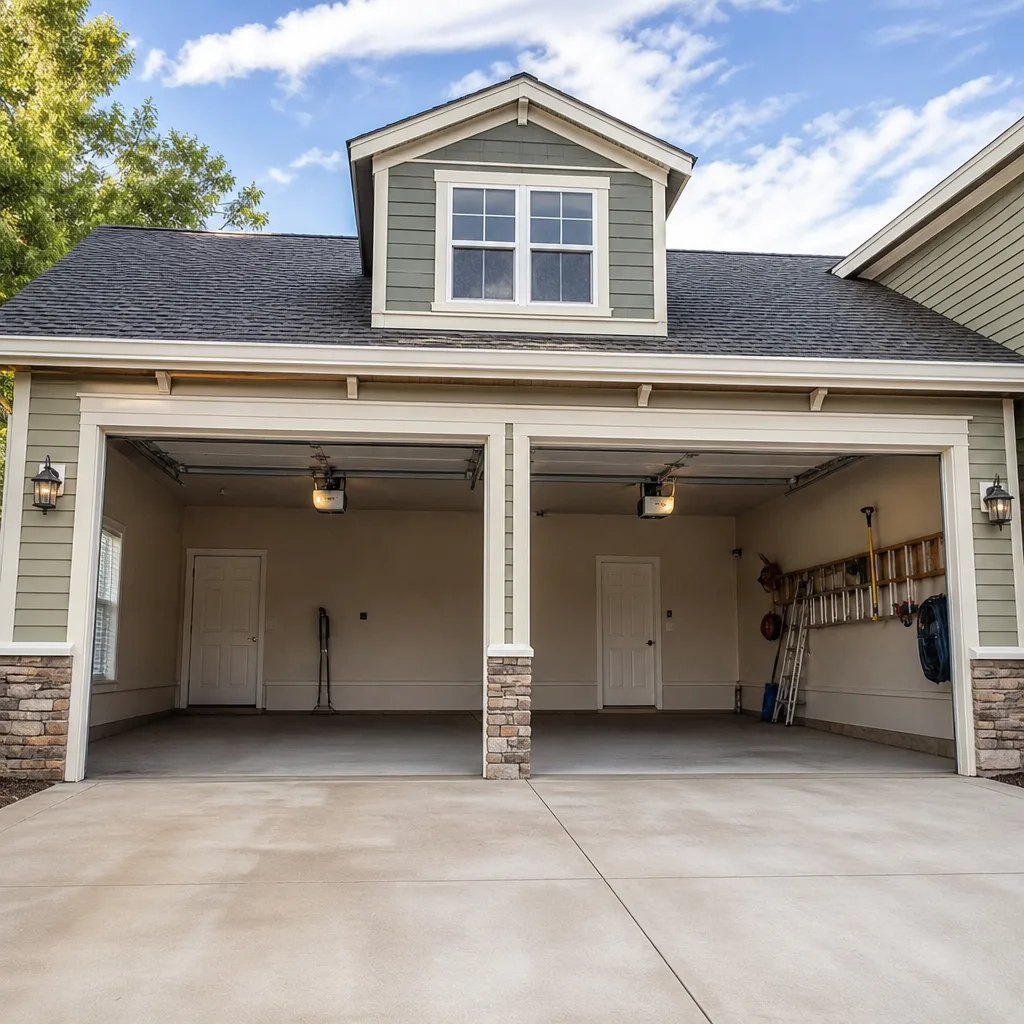 LiftMaster openers
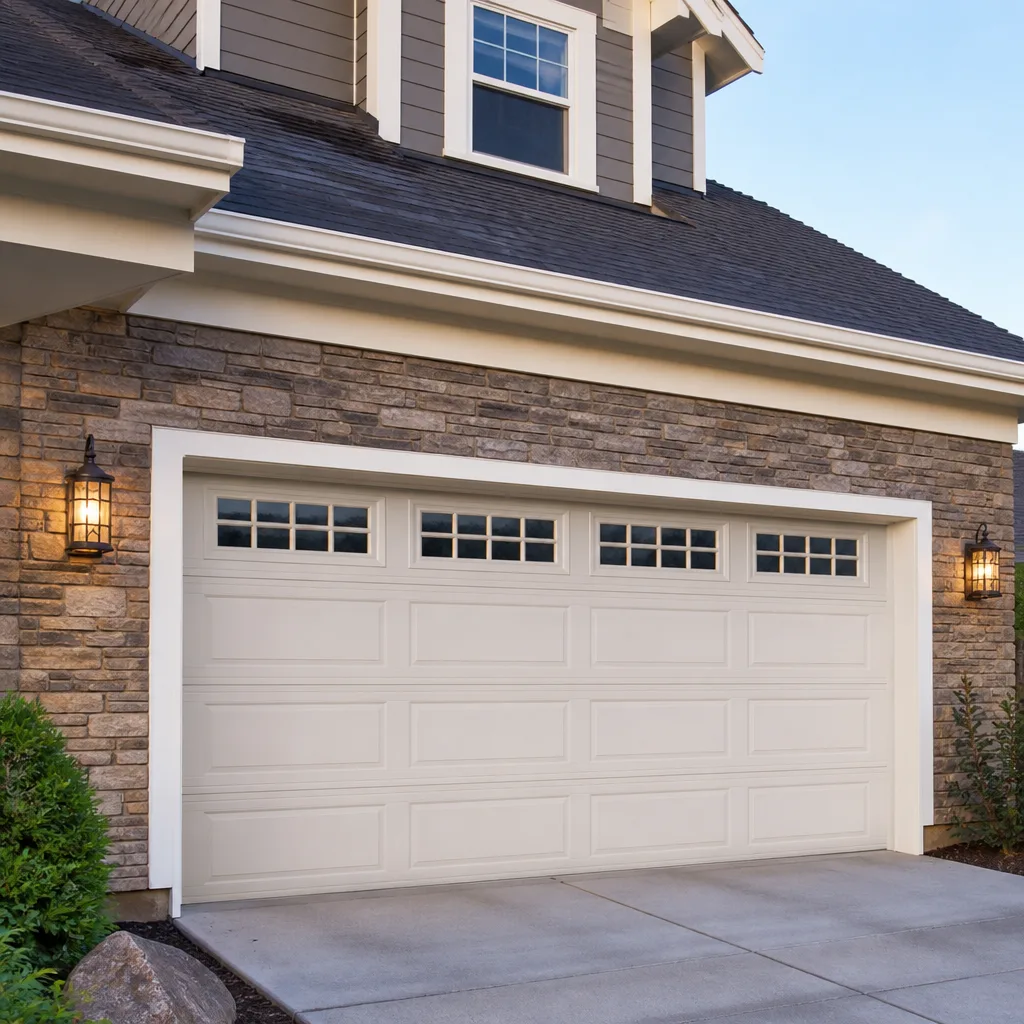 Chamberlain openers
Full 25-point door and opener safety check with every visit - springs, cables, rollers, tracks, and your LiftMaster or Chamberlain opener included
You get a price before we start. It does not change when the truck arrives.
Get your free estimateGarage Door Permits, Codes & Inspections in CA: What You Need to Know
A homeowner in Orange County replaced their garage door without a permit. The job looked clean, functioned perfectly, and passed the buyer’s home inspection during escrow. Two weeks before closing, the lender flagged the unpermitted work against county property records. The seller ended up paying $1,900 for retroactive permitting, an inspection, and a door reinforcement upgrade that the newly applied building code required. All of that for a door swap that the homeowner assumed was exempt. In Lake Forest, we hear versions of this story more often than most people would expect. This guide explains exactly when California requires a garage door permit, when it doesn’t, how Orange County cities add their own layers, and what to do if you’re already holding a door that was installed without one.
Quick Answer
In California, a like-for-like garage door replacement that doesn’t alter the structural opening typically does not require a permit under the California Building Code. You do need one if you’re enlarging the opening, converting a window or wall into a garage door, installing a new door in a brand-new structure, or if your city, such as Lake Forest, has local ordinances stricter than the state baseline. When in doubt, call your local building department and ask about “garage door replacement, same opening” before you start work.
Styles & brands we work with
- Raised-panel steel
- Carriage house
- Modern flush
- Full-view glass
- LiftMaster openers
- Chamberlain openers
Table of Contents
- What the California Building Code Actually Says
- How Lake Forest and Orange County Layer On Top of State Code
- The Title 24 Factor: Energy Compliance and Insulated Doors
- When You Need a Permit: The Complete Trigger List
- When You Don’t Need a Permit: Common Exemptions
- The Resale Problem: How Unpermitted Work Appears in Property Records
- How to Retroactively Permit an Unpermitted Garage Door in Orange County
- Common Mistakes to Avoid
What the California Building Code Actually Says
The California Building Code (CBC) governs garage door installations under the broader umbrella of the California Code of Regulations, Title 24. Most people think permits hinge on whether the work is structural. That’s partially right, but the more accurate way to frame it is this: permits hinge on whether you’re changing the opening or just the door inside the opening.
Section 105.1 of the CBC requires a building permit for any work that involves “the construction, enlargement, alteration, repair, movement, improvement, removal, conversion, or demolition of a building or structure.” A garage door that slides, rolls, or swings across an existing opening is equipment. The opening itself, framed by header, jambs, and foundation, is structure. Swap the door without touching the framing and you’re replacing equipment. Cut the header to fit a taller door, widen the rough opening, or add a second bay where a wall used to be and you’re altering structure, which triggers the permit requirement.
In our experience working around Lake Forest, the single most common misunderstanding is about spring replacement. Homeowners sometimes assume any garage door work requires a permit because the door is heavy and under tension. Spring replacement, cable work, panel replacement, and opener swaps don’t require a building permit. They’re repairs to the existing door system. For help diagnosing issues yourself, see our Garage Door Repair Troubleshooting: Common Problems and How to Fix Them guide. The city cares about the opening and the building envelope, not the hardware that keeps the door moving.
There’s one more CBC distinction worth understanding: work done to a detached garage versus a garage attached to living space. Attached garages share walls with conditioned space, which means fire separation and energy code requirements apply. Detached garages have fewer triggers. If your Lake Forest home has an attached garage, and you’re doing anything beyond a straight door swap, assume the code path has more checkpoints.
How Lake Forest and Orange County Layer On Top of State Code
State code sets the minimum. Local jurisdictions can always add requirements, and in Orange County they often do. Lake Forest operates under its own municipal code and building regulations, enforced by the city’s Building Division. Just because the California Building Code says a like-for-like door swap is exempt doesn’t automatically mean Lake Forest doesn’t want to know about it.
Here’s what we’ve observed from the contracting side in Lake Forest: the city is more likely than some neighboring Orange County municipalities to require permits for garage door work that touches the building envelope. This includes jobs where the door’s framing is modified even slightly, jobs where the existing door was already non-compliant under current fire code, and jobs where the homeowner is also replacing siding, stucco, or trim around the opening at the same time. The logic is simple. Once the envelope is open, the city wants an inspector to verify what’s underneath before you close it back up.
The practical takeaway for Lake Forest homeowners: don’t assume the permit decision based on state code alone. A 90-second phone call to the city’s Building Division will settle it. Ask specifically: “I’m replacing a garage door in the same opening. Does Lake Forest require a permit for this?” Get the answer in writing if you can, or note the name of the person you spoke with. That conversation is worth its weight when a buyer’s lender starts asking questions three years from now.
Other Orange County cities have their own quirks. Irvine tends to be strict about anything touching curb appeal and exterior consistency. Santa Ana has an older housing stock where unpermitted garage conversions are common, so their permit reviews are thorough. Lake Forest sits somewhere in the middle on enforcement, but recent years have seen closer coordination between city building departments and county tax assessor records, which is one reason unpermitted work is catching up with sellers more often than it did a decade ago.
The Title 24 Factor: Energy Compliance and Insulated Doors
Title 24 is California’s energy efficiency building code, and it applies to garage doors in specific situations. Most homeowners in Lake Forest don’t think of a garage door as an energy component, but the code does in defined cases.
If you’re building a new home, Title 24 compliance calculations include the garage door’s insulation value. A standard non-insulated steel door may not meet the required insulation level depending on the climate zone and the design of the garage. Builders often specify insulated doors from manufacturers like Clopay or Amarr precisely because those doors come with documented R-values that plug into the energy compliance model. If you’re replacing a door on an existing home as part of a larger renovation that triggers a Title 24 review, the same logic applies. The door becomes a line item in the energy calculation, and an inspector may verify the installed door matches what was specified.
For a straight replacement on an existing home without other permitted renovations, Title 24 typically doesn’t come into play. The one caveat: if your Lake Forest home has a garage that was converted to living space, or if the garage serves as conditioned space in some way, the door separating that space from the outside has energy compliance implications. That’s rare for standard attached garages, but it’s common enough in Orange County’s converted-garage housing stock that we mention it whenever a homeowner’s garage has been partially finished or is clearly serving as a workshop, gym, or office.
The practical advice: if a contractor or design professional tells you your garage door needs to be Title 24 compliant, ask whether the replacement is triggering a full energy review or whether they’re being cautious. For most Lake Forest replacements, the answer is that Title 24 is not the driving factor. But for new construction and major renovation, it absolutely is.
When You Need a Permit: The Complete Trigger List
Here’s a Garage Door Repair Maintenance Checklist for Lake Forest Homeowners that covers the situations where a permit is required in California, with notes on how Lake Forest typically applies each one.
- You’re changing the size of the rough opening. Widening, heightening, or otherwise altering the framed opening is structural work. This is the single clearest trigger. A permit will be required in Lake Forest, no exceptions.
- You’re converting something into a garage door opening. Turning a wall into a door, a window into a door, or converting carport space into an enclosed garage all trigger permits. The change doesn’t just affect your house; it affects the building’s structural and fire characteristics.
- You’re adding a garage door where none existed. This is new construction of an opening, even if the garage itself already exists. The header, support posts, and lateral bracing all need engineering review.
- You’re replacing a door on a new home or addition. If the garage itself is under construction or recently completed under a permit, the door is part of that permit’s scope. A replacement within the permit window needs to be folded into the existing project.
- Your city requires it for like-for-like swaps. Some California cities require permits even for same-opening replacements. Lake Forest generally does not for a pure swap, but if the work includes envelope repair or if the existing door was non-compliant, the city may pull you into the permit process anyway.
- The door is on a commercial or multi-family property. Different rules apply for non-residential and attached multi-family structures. What’s exempt for a single-family home in Lake Forest may not be exempt for a condo building or retail garage.
When You Don’t Need a Permit: Common Exemptions
Most homeowners in Lake Forest who ask us about permits are relieved to hear that the most common garage door repairs don’t require one. Here’s the list of what’s typically exempt.
- Replacing a garage door panel. A dented or damaged panel on an existing door is repair work. You’re not changing the opening, the structure, or the door’s basic configuration.
- Replacing springs, cables, rollers, or hinges. These are wear components. They fail over time and get replaced. The city has no interest in spring and cable work from a permit standpoint.
- Replacing a garage door opener. The opener is equipment mounted to the ceiling and door. As long as you’re not changing the door’s structural attachment points, this is exempt. When we replace openers in Lake Forest – we work on LiftMaster, Chamberlain, Genie, and Craftsman openers regularly – the job doesn’t touch the permit process.
- Replacing an entire door in the identical opening. Same width, same height, same framing. You’re swapping equipment. The opening is untouched. In unincorporated Orange County this is cleanly exempt, and in Lake Forest a straightforward swap with no framing modification typically clears without a permit.
- Repainting or cosmetic work. Paint, trim, decorative hardware. Not a permit issue.
One nuance worth knowing: if a contractor tries to convince you that all garage door work requires a permit, they may be padding the quote. If a contractor tells you with absolute certainty that no garage door work requires a permit, they’re oversimplifying. The honest answer depends on the opening, the scope, and the city. That’s the answer we give customers in Lake Forest, because it’s the answer that keeps them out of trouble.
The Resale Problem: How Unpermitted Work Appears in Property Records
The opening story in this guide isn’t unique. In Lake Forest’s real estate market, where homes routinely sell in the $900,000 to $1.5 million range, lenders are increasingly thorough during the escrow process. They’re not just looking for unpermitted room additions and garage conversions anymore. They’re checking for unpermitted garage door replacements that alter the building’s structural characteristics or fire resistance.
Here’s what happens. City building permits create a public record. The county assessor also maintains property characteristic records, including the number of garage bays, garage square footage, and in some cases the type of door. When a sale goes into escrow, the buyer’s lender orders a property profile that compares the legal description and prior permits against the physical condition of the house. If the profile shows a two-car garage and the door opening doesn’t match prior permit records, or if the door appears newer than the last permitted work on the garage, the lender can flag it.
“As-is” clauses don’t protect the seller as much as people assume. If the buyer’s lender requires the issue to be resolved as a condition of funding, the seller either fixes the problem, renegotiates the price, or the deal dies. The buyer can walk away in most standard California purchase contracts if the property has undisclosed material defects, and unpermitted work that triggers lender objections often qualifies.
What actually protects a homeowner is a paper trail. A permit from the city, or a documented city response saying no permit was required, answers the lender’s question before it becomes a problem. For homeowners in Lake Forest who are replacing a garage door with the intention of selling within a few years, we recommend getting the city’s answer in writing even when the work is clearly exempt. It costs nothing, and it makes the future sale cleaner.
How to Retroactively Permit an Unpermitted Garage Door in Orange County
If you already have a garage door that was installed without a required permit, the fix is less painful than people expect in most Orange County cities, including Lake Forest. The process is called retroactive permitting, and it follows a defined path.
- Determine the scope of what needs permitting. The city doesn’t care that the door was installed without paperwork. They care about whether the work that was done meets current code. If the opening was modified and the header is undersized, you may need structural corrections. If the door was swapped into an identical opening, the review is simpler.
- Call the Lake Forest Building Division and explain the situation honestly. This is the step people avoid, but it’s the one that actually works. Explain that the door was replaced without a permit, that you’re seeking to correct the record, and ask what they need. Most building departments appreciate the proactive approach and will give you a clear checklist.
- Complete a permit application for the work that was done. You’ll fill out the standard building permit application, describe the scope, and pay the permit fee. Fees for garage door permits in Orange County typically run between $150 and $400 depending on the jurisdiction and the scope of work, plus any inspection fees.
- Schedule an inspection. An inspector will visit the property to verify the door installation meets current building code. They’ll check the header, the door’s attachment, the spring containment, and the fire separation if the garage is attached. If the door was installed correctly, the inspection passes and you’re done.
- Correct any deficiencies. If the inspector finds problems, you’ll have a correction list. Common Orange County corrections include missing safety cables on extension springs, inadequate fire separation between garage and living space, or a door that doesn’t meet wind load requirements for the area.
- Receive your final sign-off. Once the work is approved, the permit is closed, and the record is updated in the city’s system. That closed permit is what you’ll show the buyer’s lender when escrow opens.
This process doesn’t take six months. For a garage door that was installed correctly, the retroactive permit can be completed in two to four weeks. The cost is less than the negotiation you’d face in escrow, and it’s certainly less than a failed sale.
One more note for Lake Forest homeowners specifically: if your garage door was installed as part of a Garage Door Installation in Lake Forest project that included other work – new siding, a changed opening, a new header – the retroactive permit may need to cover the full scope of that project, not just the door. Be prepared to describe the complete work when you call the city.
Common Mistakes to Avoid
- Assuming “no permit needed” because the contractor didn’t mention one. The contractor’s job is the door. Your job is the property record. If the opening is changing, a permit is required even if the contractor says the city “probably won’t notice.” The city will notice. The buyer’s lender will notice. The contractor will be long gone.
- Thinking a home inspection replaces a permits check. A general home inspector verifies the door opens and the safety reversal works. They’re not reviewing city permit records or building code compliance. Two different systems.
- Relying on verbal confirmation from a city employee. Most Orange County building departments are helpful, but verbal answers don’t create a record. For anything that matters, get the answer in an email or a letter. If you can’t, write down who you spoke with, the date, and what they said. Store that note with your home records.
- Confusing opener replacement with door replacement. An opener swap doesn’t trigger a permit in Lake Forest or anywhere in California. A door swap usually doesn’t either. But if the word “opening” or “framing” enters the conversation, the calculus changes. Know the difference.
- Waiting until the sale is pending to address a known issue. If you already know the door was installed without a required permit, deal with it before you list the house. A retroactive permit done calmly in March costs less and causes less stress than the same process compressed into an escrow timeline in September.
- Replacing the entire door when only one panel is damaged. From a permit standpoint, a panel replacement is a non-issue. From a cost standpoint, it’s a fraction of a full door. In Lake Forest, where salt air and sun take a toll on steel panels over time, we see homeowners replacing full doors when a panel swap would have solved the problem. The only reason to consider the full replacement is if the door is old enough that matching panels are hard to source.
- Overlooking fire separation requirements in attached garages. The door between your house and garage isn’t the same as the exterior garage door. But the exterior door still plays a role in the garage’s fire envelope. In attached Lake Forest garages, a door that doesn’t meet current fire-resistance expectations can become an inspection finding, especially when other permitted work is being done on the same structure.
See the difference
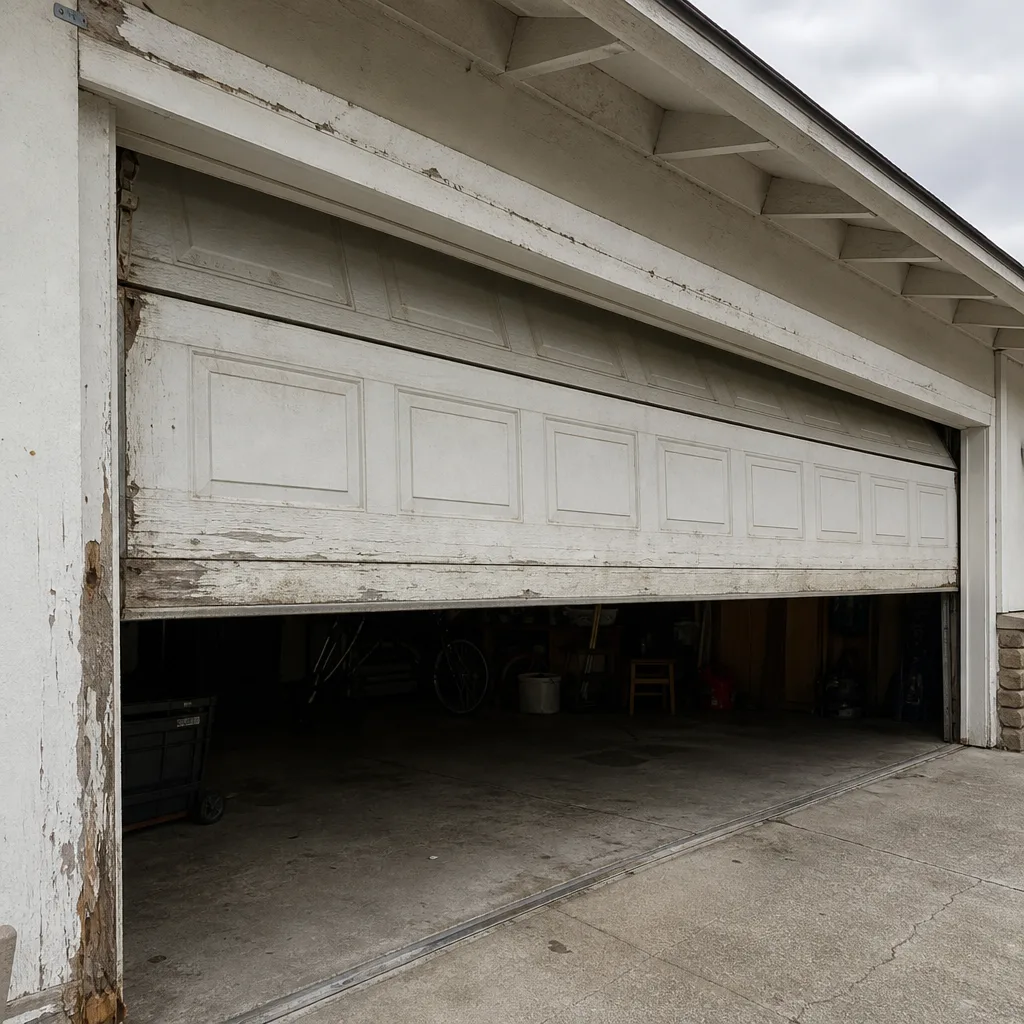 Before
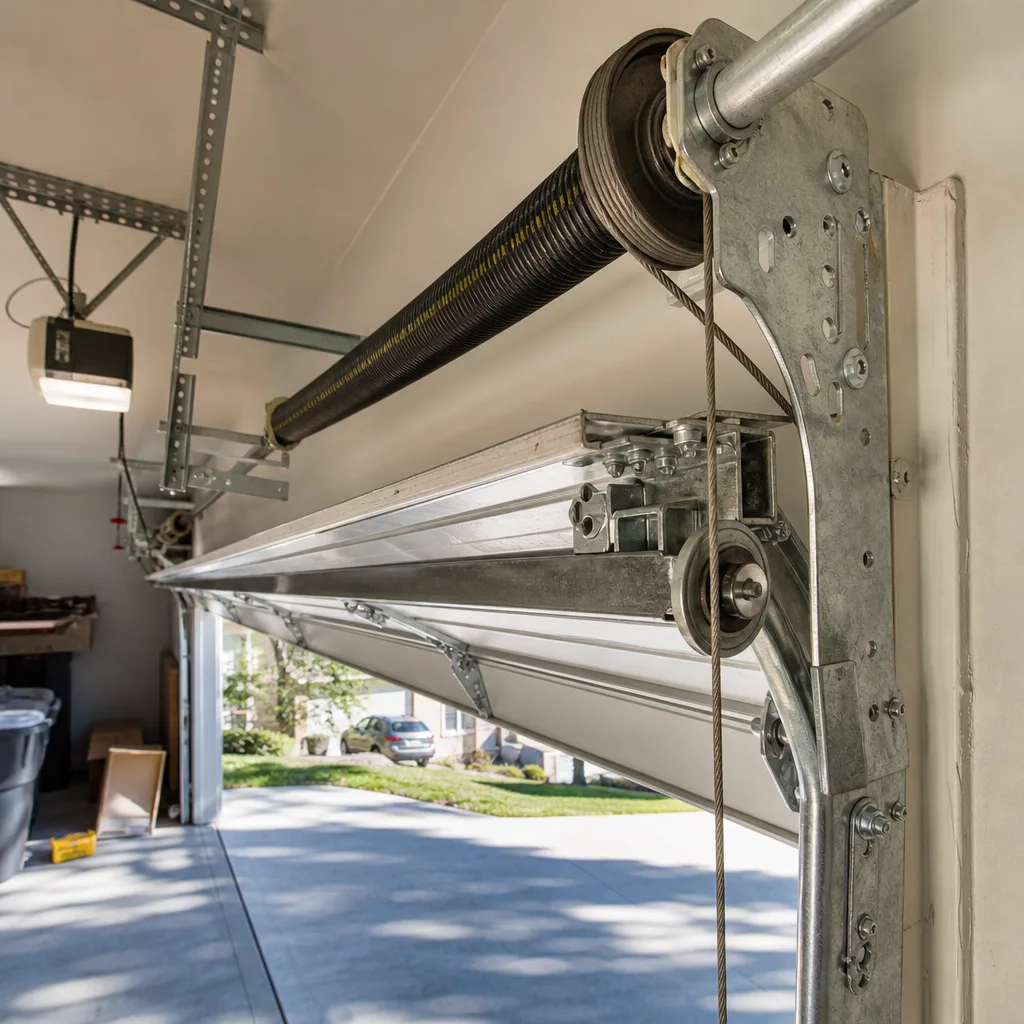 After
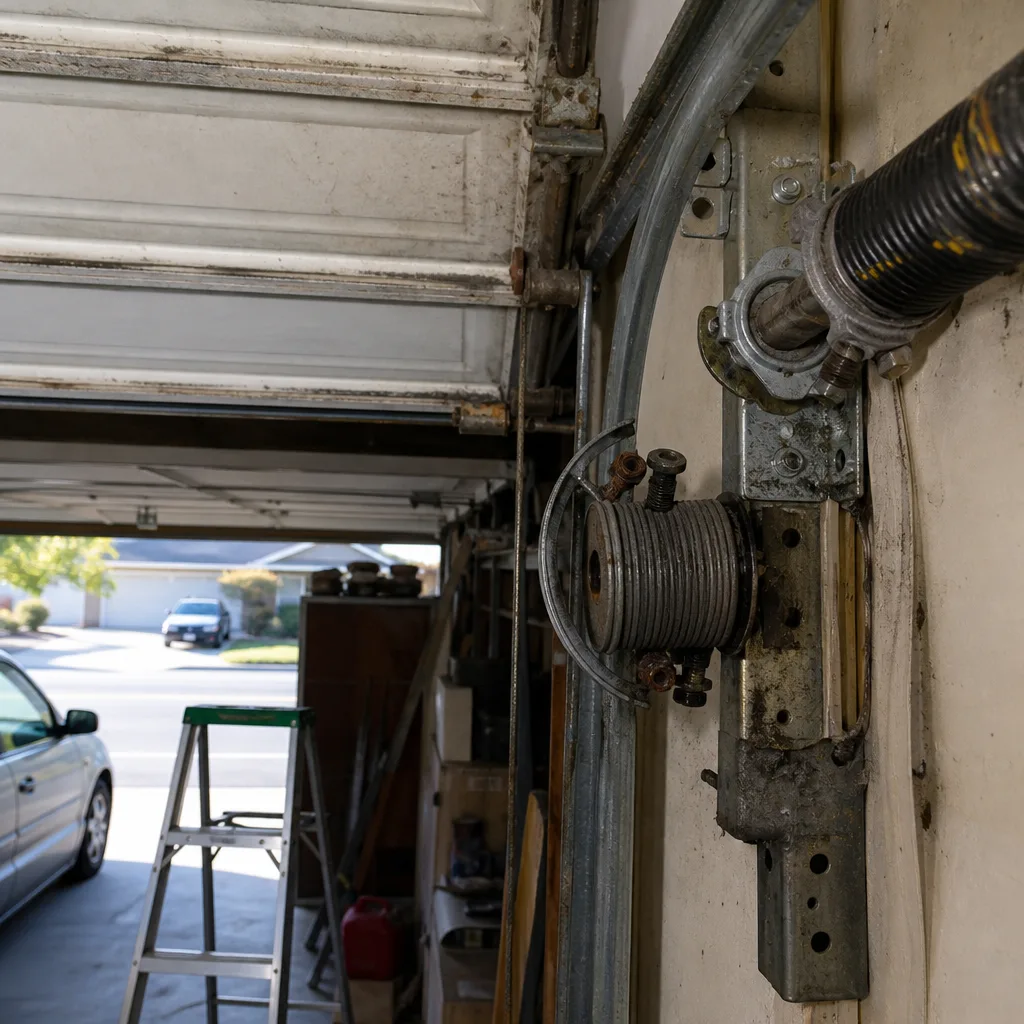 Before
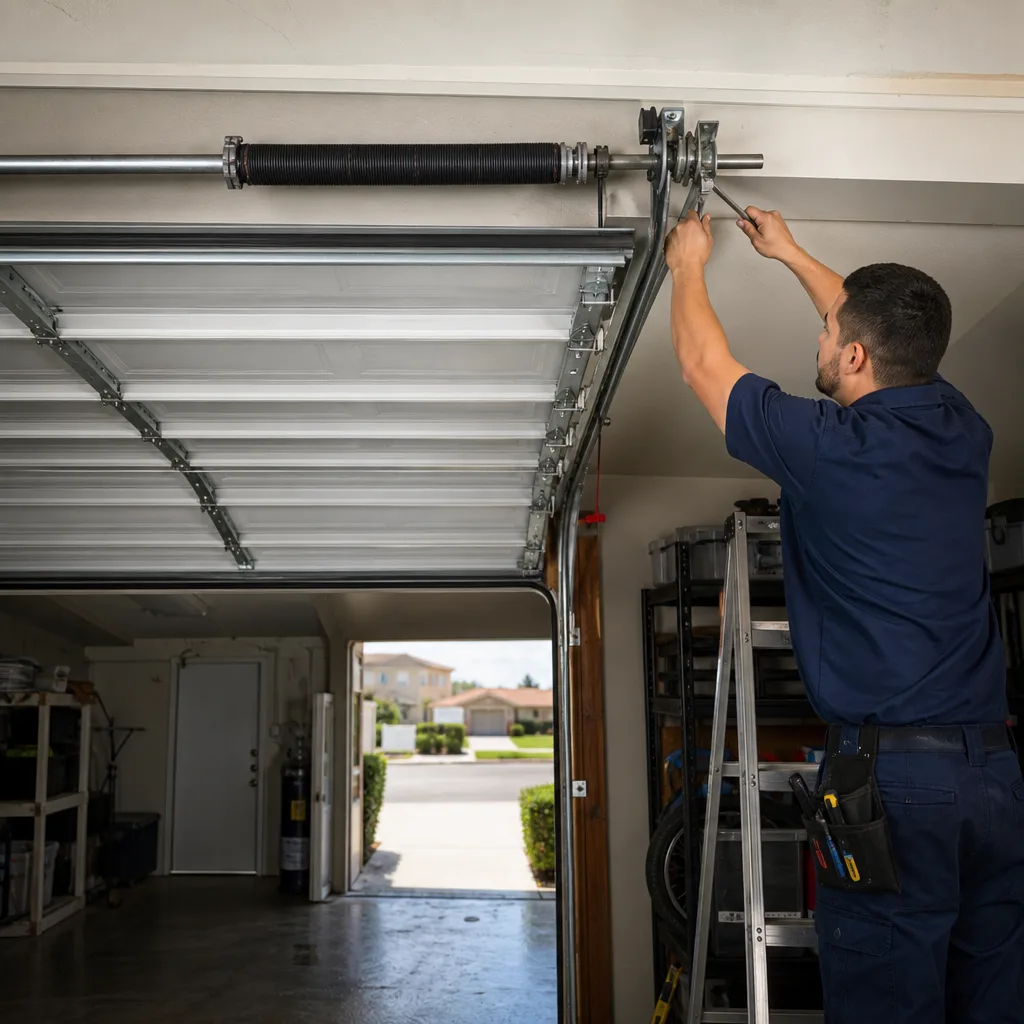 After
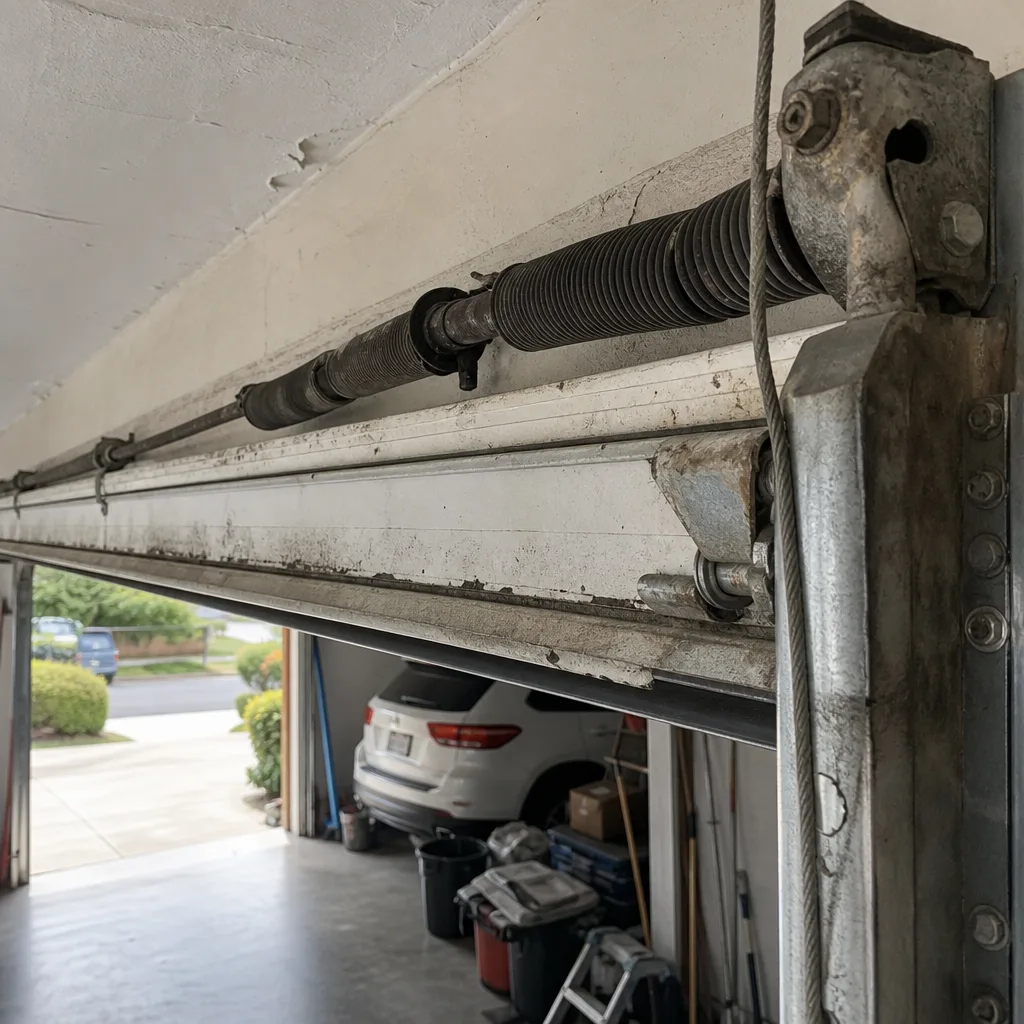 Before
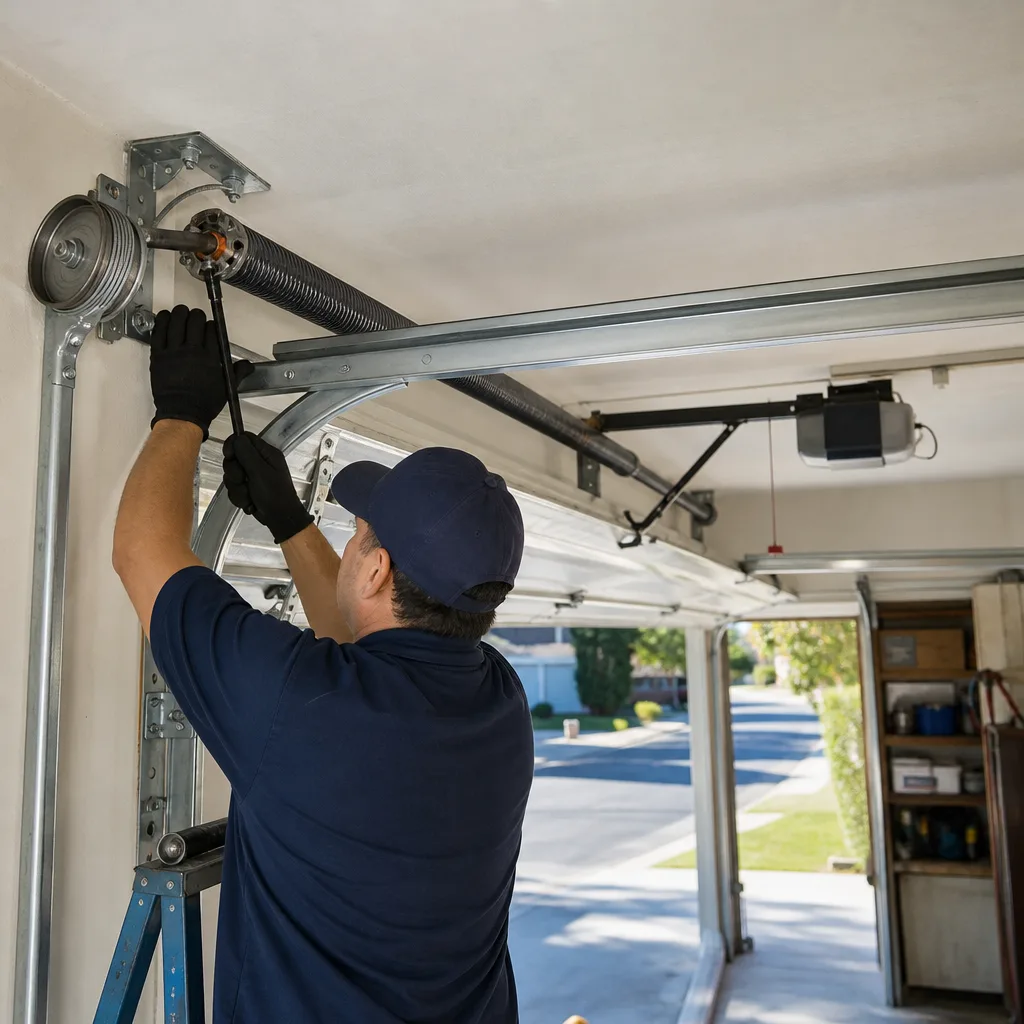 After
When to Call a Professional
If your garage door project involves a changed opening, a conversion, or a new construction element, that’s a job for a professional who understands local permitting in Orange County. The door itself is the simple part; navigating the permit, the inspection, and the compliance details is where expertise matters. Creekside Garage Door Repair offers free estimates in Lake Forest. Call (877) 358-5495 and we’ll walk you through what we’re seeing, what the city will want, and what the job actually requires. We’ve worked on doors from Creekside Garage Door Repair home in Lake Forest for years, and we’ll tell you straight whether the work triggers a permit or whether you’re clear to proceed.
For repairs, spring work, opener replacement, and straight door swaps, a professional still matters. The tension on a garage door spring can cause serious injury, and we recommend leaving spring and cable work to a trained technician. For everything else, we’ll give you the honest answer even if it’s “you don’t need us for this.” Reach us at (877) 358-5495.
Frequently Asked Questions
In most California cities, including Lake Forest, you don’t need a permit to replace a garage door in the exact same opening without changing framing or structure. You do need one if the rough opening size changes, if you’re converting a wall or window into a door, or if your city has stricter local rules. Call your building department for confirmation. If you’re in Lake Forest and want a straight answer from someone who’s navigated this process, call Creekside at (877) 358-5495.
The unpermitted work may appear in a lender’s property profile during escrow, particularly if the opening was altered or if the garage was previously converted or modified. “As-is” doesn’t necessarily protect you if the lender requires the issue resolved as a funding condition. The cleanest fix is a retroactive permit through the city before you list.
Garage door permit fees in Orange County generally fall between $150 and $400, with some variation depending on the city and the scope of work. Lake Forest’s current fee schedule is available through the city’s Building Division. The permit fee is rarely the expensive part; retroactive corrections for non-compliant work are where costs climb. For an exact quote on your project, call (877) 358-5495. Estimates are free.
No. Replacing a garage door opener does not require a permit under the California Building Code or Lake Forest’s municipal code. The opener is equipment, not structure. We replace openers from LiftMaster, Chamberlain, Genie, and Craftsman regularly, and none of those jobs enter the permit process. If you need Garage Door Opener Repair in Lake Forest, Creekside can help, and you won’t need to involve the city.
Yes. Replacing a damaged panel on an existing door is a repair, not a structural change. It doesn’t require a permit anywhere in California, including Lake Forest. It’s also the most cost-effective fix when the door itself is still in decent shape and the damage is isolated to one section. If you’re not sure whether the door needs a panel or a full replacement, Garage Door Repair in Lake Forest is one of the things we do every week, and we’ll tell you the right fix rather than selling the more expensive one.
Title 24 is California’s energy efficiency building code. It applies to garage doors when the door is part of new construction or a major renovation that triggers a full energy compliance review. For a straight door replacement on an existing home, Title 24 typically doesn’t apply. Insulated doors from brands like Clopay and Amarr are the common choice when Title 24 is in the picture, because their documented R-values plug directly into the compliance calculation. In our experience in Lake Forest, Title 24 matters most for new-build garages and homes with converted garage space.
The Bottom Line
California permits for garage doors aren’t a yes-or-no question, but they’re also not a mystery. If you’re swapping a door in the same opening, you’re probably fine in Lake Forest without a permit. If the opening changes size, if you’re converting a space, or if you’re building new, you need one. The cost of checking is a phone call. The cost of skipping it can show up at the worst possible moment – two weeks before your home closes. If you’re working on a garage door in Lake Forest and want to know exactly where your job falls, call Creekside Garage Door Repair at (877) 358-5495. We’ll give you the straight answer, and if you’re clear to skip the permit, we’ll tell you that too.
Written by the team at Creekside Garage Door Repair, serving Lake Forest since 2014.