
Last updated November 2, 2026
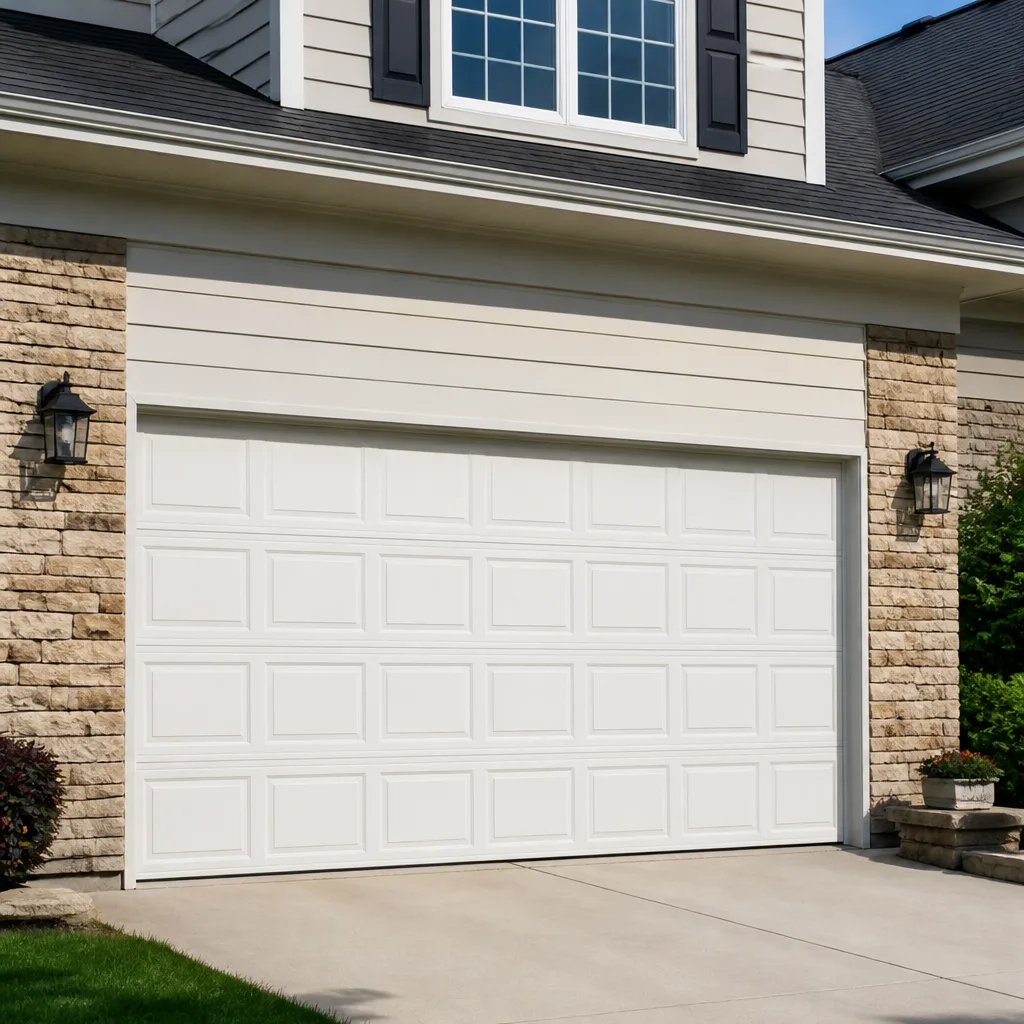 Raised-panel steel
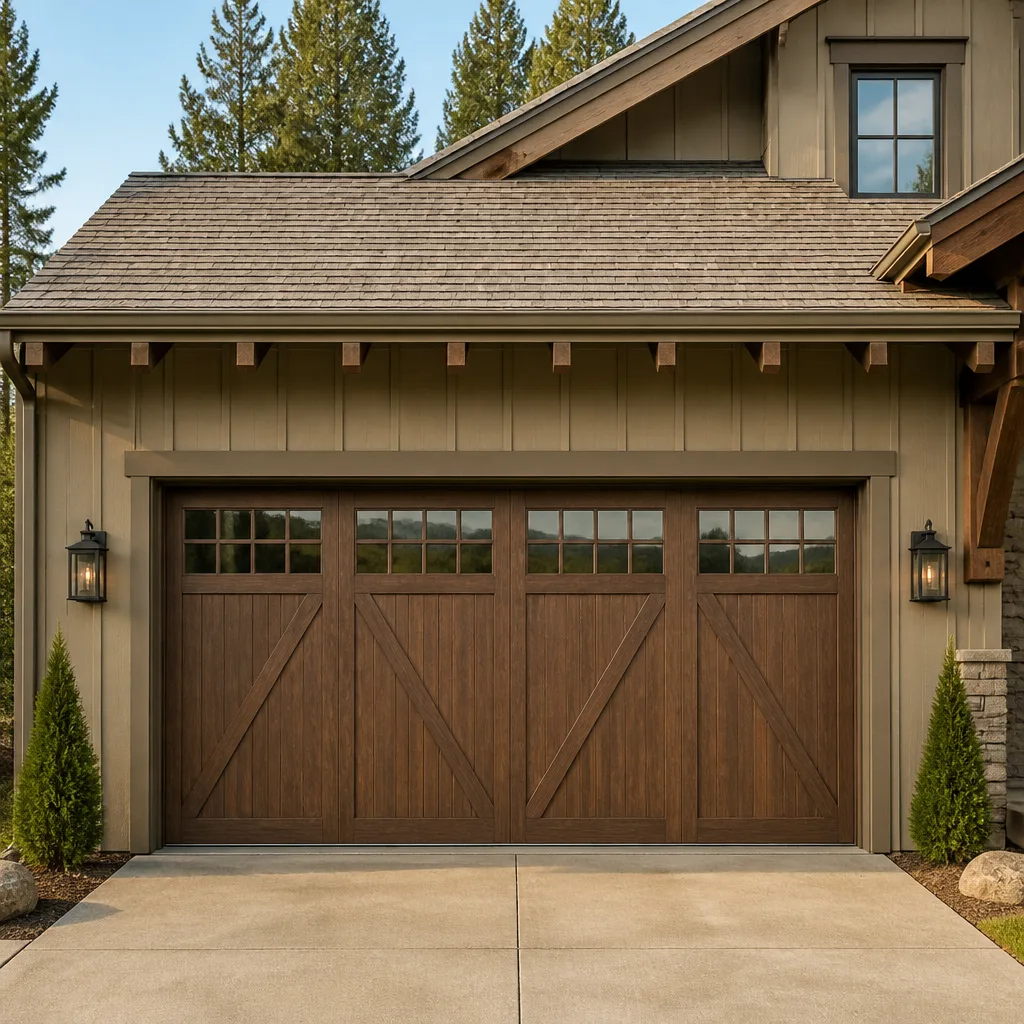 Carriage house
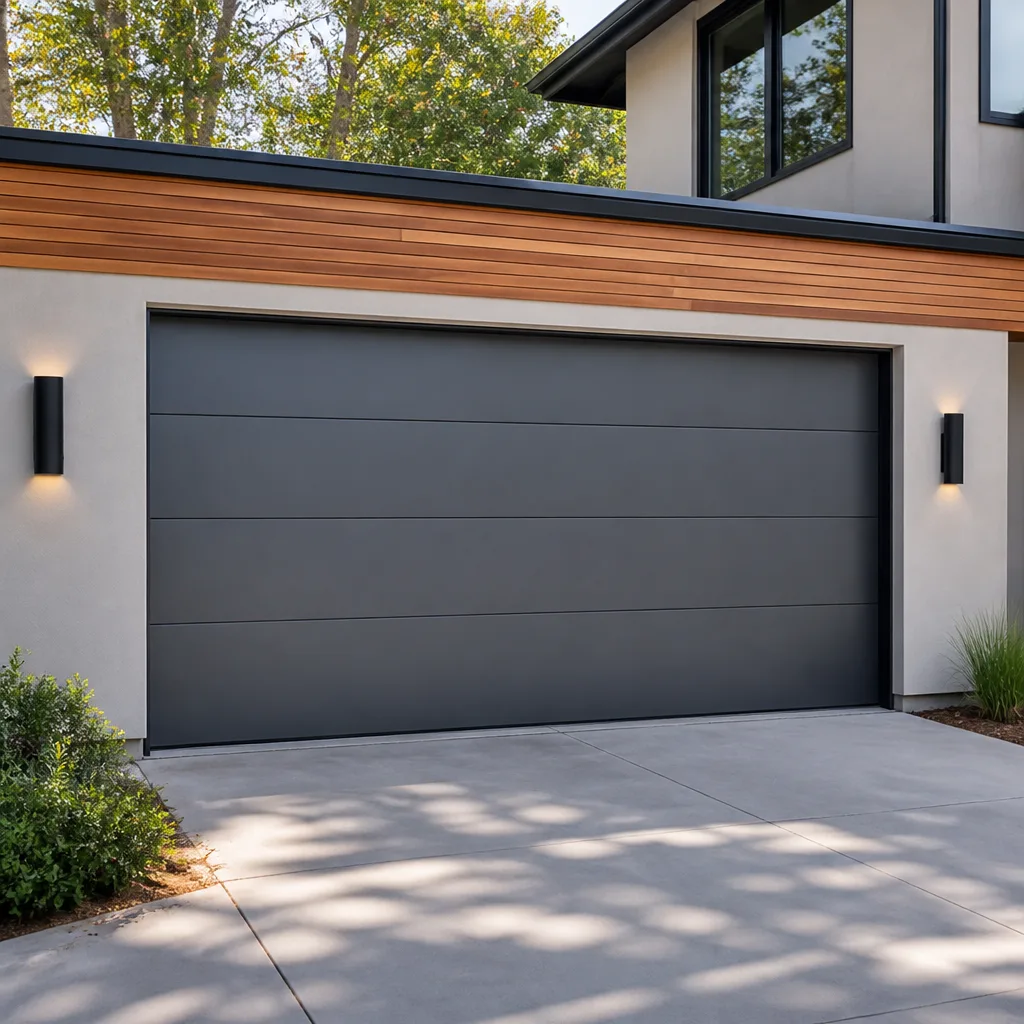 Modern flush
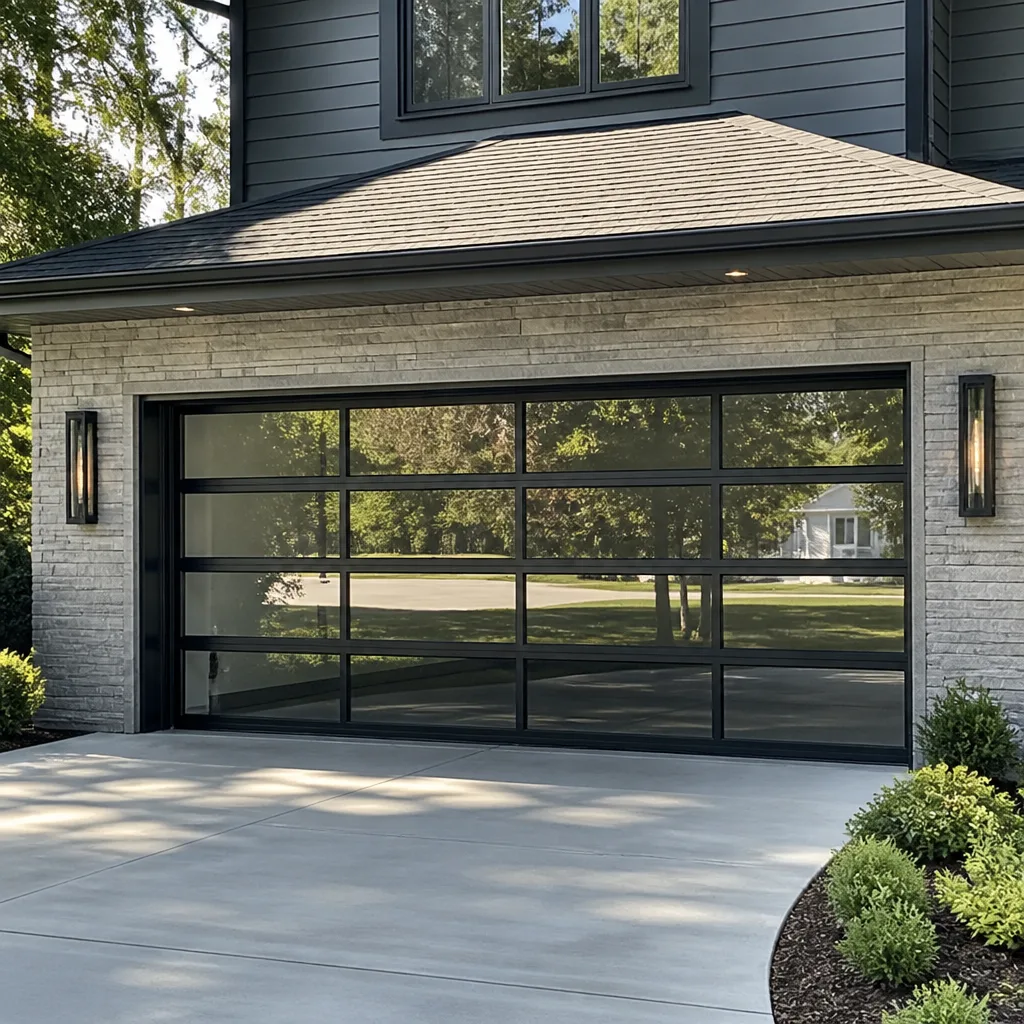 Full-view glass
 LiftMaster openers
 Chamberlain openers
Full 25-point door and opener safety check with every visit - springs, cables, rollers, tracks, and your LiftMaster or Chamberlain opener included
You get a price before we start. It does not change when the truck arrives.
Get your free estimateGarage Door Warning Signs: A Lake Forest Homeowner’s Reference Guide
Here’s a pattern we see constantly in Lake Forest: a homeowner calls us on a Saturday morning because their garage door won’t open at all, and somewhere in the conversation they mention that the door had been “acting a little strange” for three weeks. It was slow to lift. It made a new sound. It needed a second press of the remote. None of it seemed worth interrupting a workday for. Then the spring snapped, the car was trapped, and the repair bill tripled. This guide exists to help you catch those almost-normal warning signs while they’re still cheap to address, and you can find more guides & resources on our blog. By the time you finish reading, you’ll know exactly what your garage door is trying to tell you, what each symptom costs to fix if caught early, and which signs mean you should call a professional in Lake Forest today rather than next week.
Styles & brands we work with
- Raised-panel steel
- Carriage house
- Modern flush
- Full-view glass
- LiftMaster openers
- Chamberlain openers
Quick Answer
The most reliable early warning signs that your garage door needs repair are: a door that moves slower than it did six months ago, a new sound during operation (grinding, popping, squealing, or rattling in one specific spot), a door that reverses before reaching the floor, visible wear on the torsion spring above the door, a door that sags or drops a few inches when you release it manually, and a remote that works inconsistently from the same spot in your driveway. Any one of these is reason to schedule a diagnosis. Any three together usually means a component is close to failing.
Table of Contents
- The 90-Second Visual Inspection
- The Difference Between Slow, Spring Fatigue, and Opener Strain
- Why Reversal on Close Is Not Always a Sensor Problem
- Noise Classification Guide: Grinding vs. Popping vs. Squealing vs. Rattling
- The Lake Forest Spring Timeline: Reading End-of-Life Before It Breaks
- Remote and Opener Signals You Should Not Ignore
- What These Signs Cost to Fix Early vs. Late
- Common Mistakes to Avoid
- When to Call a Professional
- Frequently Asked Questions
- The Bottom Line
The 90-Second Visual Inspection
Most developing mechanical problems announce themselves visually long before they become functional failures. In our experience serving Garage Door Repair in Lake Forest, homeowners who do this quick check once a month catch roughly 70% of developing problems at the wear-and-tear stage, not the breakdown stage. Here’s the walkthrough:
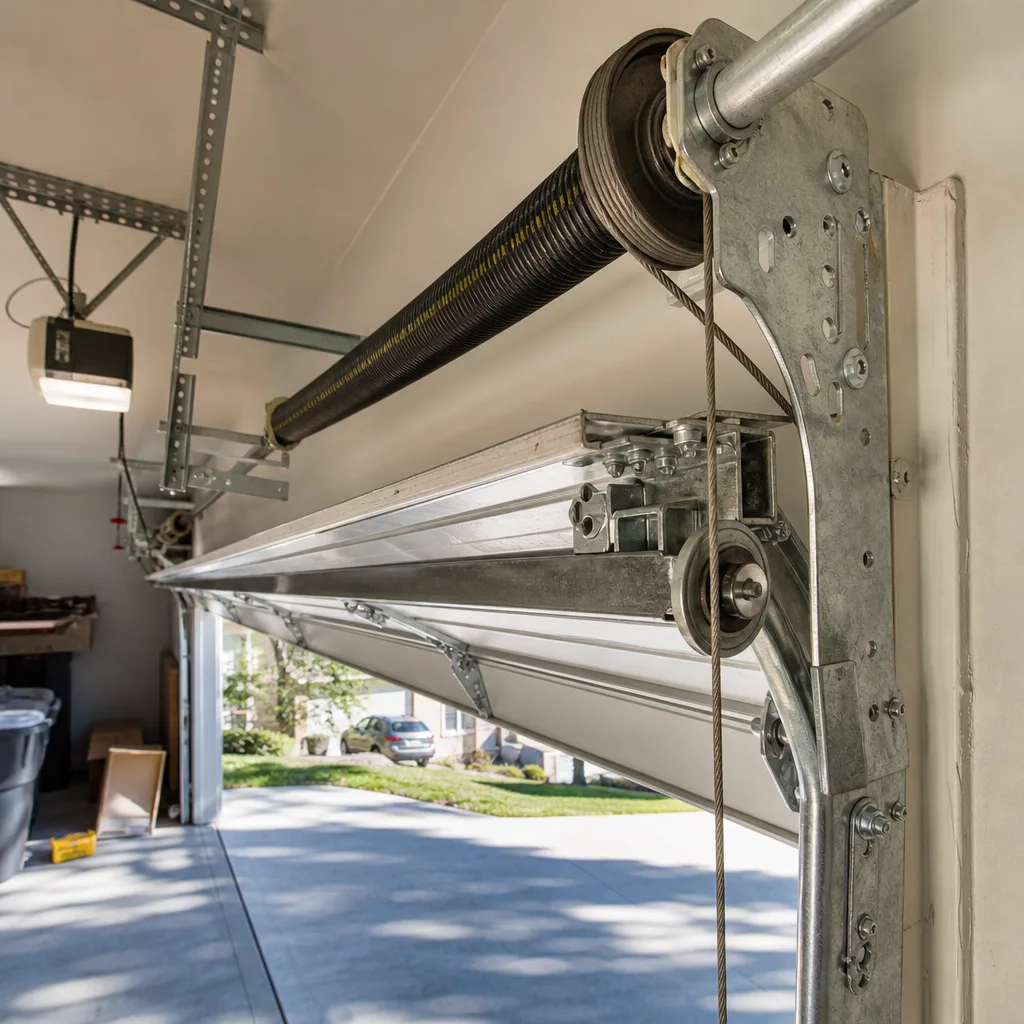
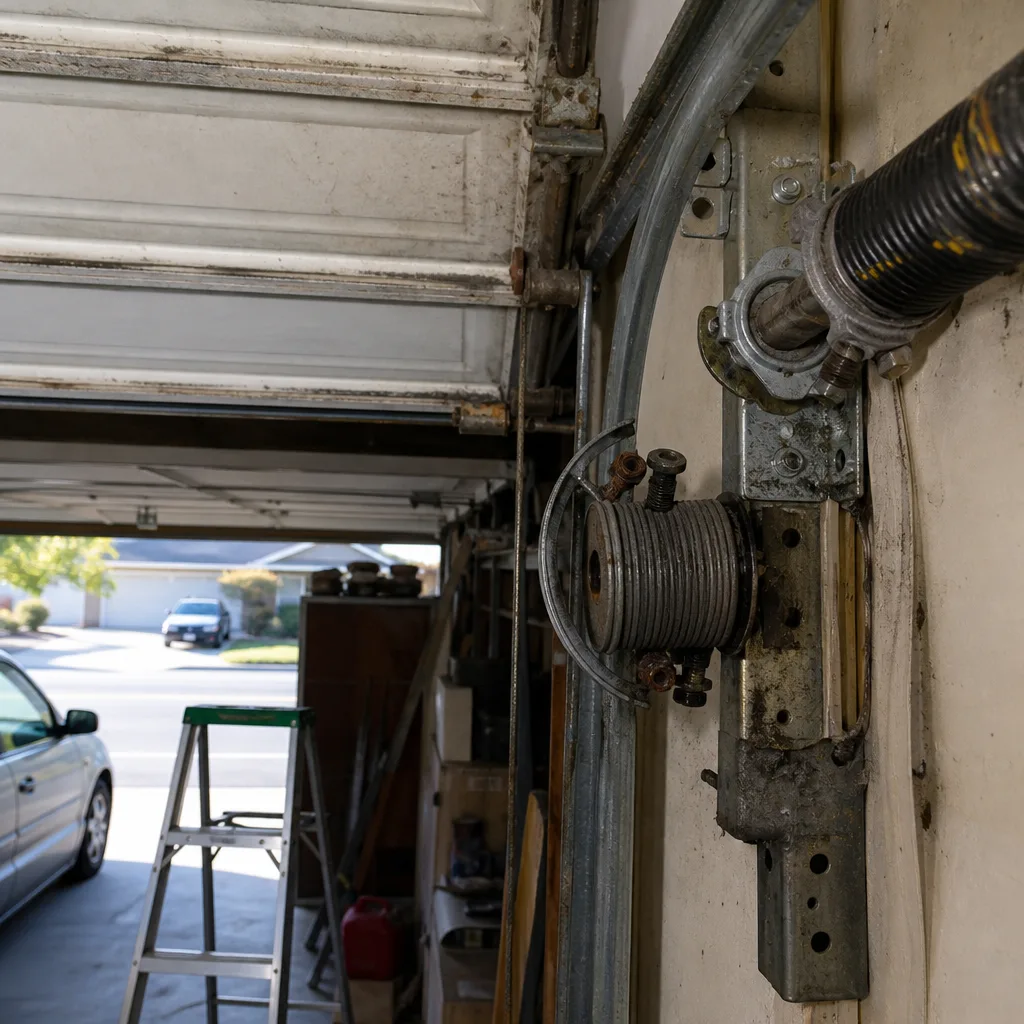
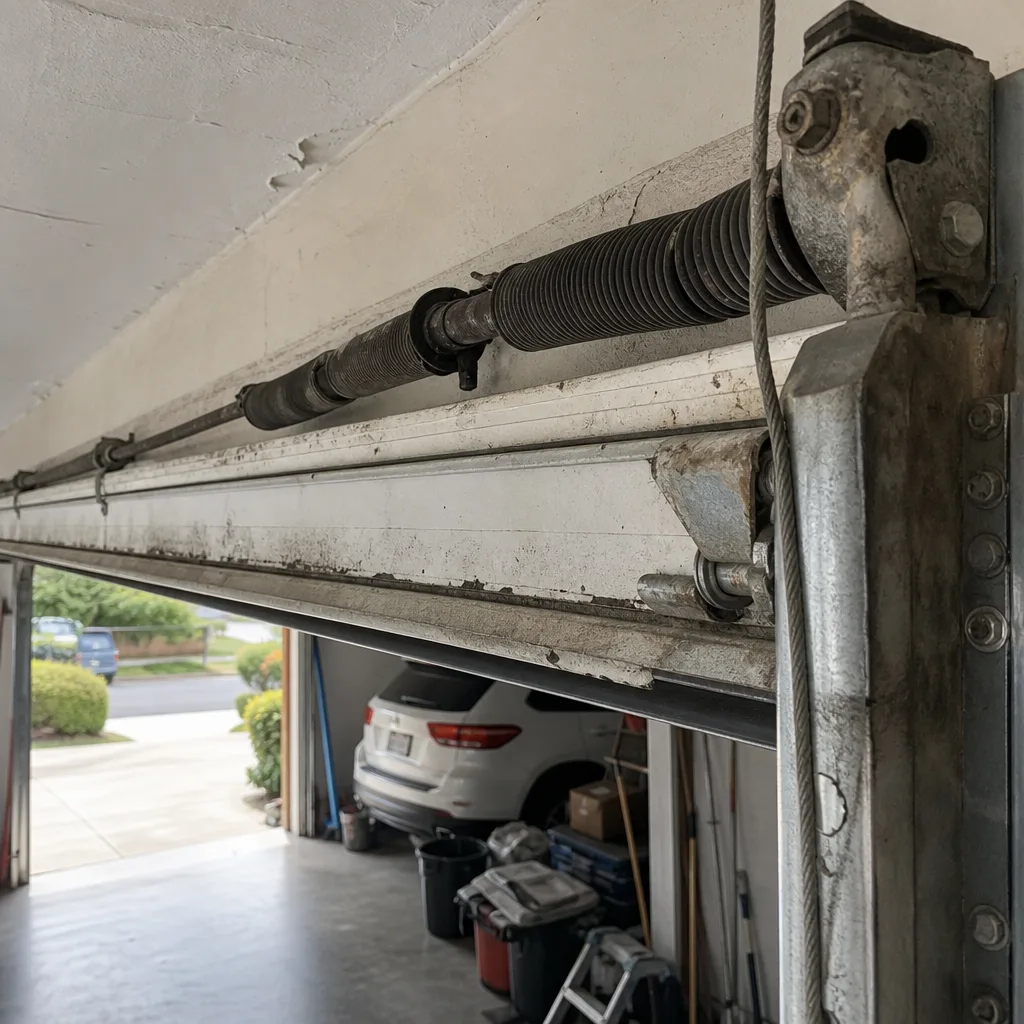
- Look at the spring above the closed door. A torsion spring is a coil mounted horizontally on the header. If you see a visible gap in the coil, the spring has snapped already (and you probably noticed the noise). If the coil looks thinner on one side or has rust streaks running down it, the metal is fatigued. A spring in good condition is evenly coated and uniformly thick end to end.
- Check the cables on both sides of the door. They run vertically from the bottom brackets on each door panel up to the drum near the top of the track. Signs of trouble: frayed wire strands poking out, kinks, or slack in the cable when the door is closed. A cable with visible wear may be weeks from snapping.
- Scan the track for wear marks. On both vertical tracks and the horizontal curve, look for shiny grooves, dark streaks, or powder residue. These mean the rollers aren’t rolling cleanly; they’re dragging, which generates friction and accelerates roller wear.
- Eyeball the door’s alignment from inside, looking out. With the door closed, stand at the back of the garage and look at the gap between the top of the door and the header. The gap should be even across the width. If one side sits higher or lower, the door is out of balance.
- Check the weatherseal and bottom edge. If the rubber strip along the bottom is cracked, peeling, or has gaps, you’ll get water, leaves, and pests inside during Lake Forest’s winter rain. That doesn’t stop the door from working, but it’s a sign of neglect that correlates with other maintenance gaps.
Total time: about a minute and a half. No tools. No ladder. Just eyes and attention.
What a healthy spring looks like vs. a tired one
A spring that’s doing its job looks taut and even. A spring that’s nearing the end of its service life often shows rust bloom, thinning coils, or a slight separation at one end where the set screws have been working loose over years of Lake Forest’s temperature swings. Springs don’t fail from one bad day; they fail from cumulative metal fatigue across thousands of open-and-close cycles. A standard spring is rated for roughly 10,000 cycles. In a busy two-car household that opens the door four times a day, that’s about seven years. If your home is older than that and the spring has never been replaced, you’re on borrowed time.
Safety caveat: when the spring or cables are visibly damaged, do not try to force the door open by hand or with the opener. A cable under tension can whip, and a snapped spring under residual torque can cause serious injury. Call a trained technician who works with these components daily. The inspection above is for your eyes, not your hands.
The Difference Between Slow, Spring Fatigue, and Opener Strain
A garage door that opens more slowly than it did a year ago is the most commonly ignored warning sign in Lake Forest homes, because the change is gradual. You don’t notice a door getting 5% slower each month any more than you notice a child getting taller day to day. But the cause of that slowness is specific, and each cause points to a different repair.
Spring fatigue
When a torsion spring tires, it loses tensile strength and can no longer counterbalance the full weight of the door. The opener, designed to assist rather than lift dead weight, starts doing the spring’s job. You’ll notice the door moves more slowly in the middle of its travel arc, where the spring used to do the most work. It may also hesitate or pause for a tenth of a second about halfway up, then continue. That hesitation is the spring handing the load to the motor, and the motor straining to take it.
What it sounds like: a low-pitched hum from the motor that rises in pitch under load, like a kitchen mixer working through thick dough. What it feels like: when you pull the emergency release cord and try to lift the door manually, it’s heavier than expected. A properly balanced door you can lift with one hand; a door with a failed spring feels like lifting a boat anchor.
Opener strain
If the spring is healthy and the door itself is balanced, but the opener is old or undersized for the door, the motor works harder than it was designed to. This shows up as slow startup: the door trembles slightly as the motor gets moving, then the motion smooths out. Opener strain is most common on homes where a previous owner paired a budget opener with a heavier carriage-style door or a solid wood door.
What it sounds like: a rough, gravelly grind in the first two seconds of operation. What it feels like: when you pull the release cord, the door moves smoothly and easily by hand; the opener is the weak link, not the balance system.
Track friction
Dust, debris, and degraded rubber from worn rollers coat the inside of the track over time, especially on Lake Forest homes near the canyons where fine dust gets everywhere. The door still opens, but it drags. This is the best-case scenario because it’s usually a cleaning and roller replacement job, not a major repair.
What it sounds like: a consistent rustling or scraping along the entire travel path, not tied to one segment of movement. What it feels like: the door vibrates more than it used to; you can feel it through the wall of the house.
Here’s the practical takeaway: if your door is slower than it was and the manual lift test feels normal, the problem is in the track or the opener. If the manual lift feels heavy, the springs are the problem. That one distinction, which takes ten seconds to test, tells you whether you’re looking at a $150 roller job or a $300-plus spring replacement before the technician ever arrives.
Why Reversal on Close Is Not Always a Sensor Problem
A garage door that starts closing, then reverses and opens again, is the single most misdiagnosed symptom in the trade. Most homeowners assume it’s the photo-eye sensors, those little black boxes at the bottom of each track. And sometimes it is. But in our experience, a door that reverses on close with no obstruction in the doorway is more often a spring balance issue than a sensor issue. The distinction matters because the repair is completely different.
Here’s how to tell the difference in thirty seconds. Check the sensor lights first: if one sensor shows a green light and the other shows red or blinking, the sensors have been knocked out of alignment, or something is blocking the beam. Realigning them takes two minutes and no tools. But if both sensor lights are solid (usually green on both) and the door still reverses, the cause is most likely mechanical: the door is hitting too much resistance on the way down, and the opener’s safety circuit interprets that resistance as an obstruction. A tired spring can no longer control the descent smoothly, so the door drops faster than the opener expects, trips the safety threshold, and reverses.
The giveaways for a spring-related false reversal are: the door reverses at a different point in the track each time, the reversal happens more often on cold mornings, and the door bounces slightly before reversing. A true sensor obstruction reverses at the exact same spot every time, because the beam is broken at the same point.
Why this distinction saves money: a sensor alignment is often a same-day, low-cost fix or even a DIY alignment. A spring-related reversal means the spring is actively failing. The fix is a spring replacement, and the cost difference is significant. But here’s the key: if you keep running the door with a failing spring, the imbalance will eventually damage the opener’s gear train. Then you’re replacing both the spring and the opener, because the misdiagnosis let the root problem run another six months.
Safety caveat: when a door reverses on close, the wrong move is to hold down the wall button to force-close it. That overrides the safety circuit, defeats the obstruction protection, and mashes a door under failed spring control into the ground with the full force of the opener. We’ve seen cars dented and garage floors chipped this way. If the door won’t close on its own, close it manually by pulling the release handle and lowering it gently, then schedule a diagnosis.
Noise Classification Guide: Grinding vs. Popping vs. Squealing vs. Rattling
Your garage door makes different sounds depending on what’s failing. The noise is diagnostic; it tells a technician what to check before they even open the tool bag. Here’s the classification system we teach Lake Forest homeowners who want to call with useful information rather than “it makes a weird sound.”
Grinding: a metallic scraping, like dragging a metal chair across a driveway
Grinding means metal-on-metal contact where there should be a roller or bearing in between. It almost always points to one of two things: rollers that have lost their ball bearings (metal roller grinding against the track), or an opener gear train that’s stripping its teeth. If the grind happens only while the door moves and comes from the track area, it’s rollers. If it happens while the motor runs and comes from the opener housing on the ceiling, it’s the gear train. Roller replacement is modest. Opener gear replacement, or full opener replacement, costs more.
Popping: a sharp snap, like a stick breaking, at one specific point in the travel
Popping is a stress release, not a component in contact. A door that pops once at the same spot in its travel usually has a section hinge binding, a misaligned track catching a roller, or a cable drum not winding evenly. Left alone, a popping hinge evolves into a bent panel or a thrown cable. This is the warning sign that gives you a week or two, not a month.
Squealing: a high-pitched continuous shriek, like nails on a chalkboard
Squealing is friction where a lubricated surface has gone dry. Most often it’s a roller ball bearing running without grease, or a torsion spring rubbing against its center bearing. A dry spring will announce itself with a squeal on both open and close. The fix early is a professional lubrication with the right lithium or silicone based product. The result if ignored is accelerated spring wear, which shortens the spring’s life by years.
Rattling: a loose-parts chatter, like a metal bucket full of bolts being shaken
Rattling means something has loosened. It’s often hinge bolts, track mounting brackets, or the opener chain that has stretched and is slapping the rail. Rattling is the easiest noise to fix and the easiest to dismiss, because the door still works fine. But loose hardware under repeated vibration only gets looser. A rattling door that’s ignored for six months will eventually jolt a roller off the track, and then you have a door that’s half-open, half-cocked, and not going anywhere.
Here’s the short version for your next phone call: grinding means a bearing or gear is dying. Popping means something is binding. Squealing means something is dry. Rattling means something is loose. A technician who hears that from you over the phone already has a shortlist of what to check before they arrive.
The Lake Forest Spring Timeline: Reading End-of-Life Before It Breaks
Garage door springs don’t fail randomly. They follow a pattern, and the pattern is visible months in advance if you know the timeline, which is why our Seasonal Garage Door Care for Lake Forest: Year-Round Homeowner’s Guide covers prevention through every season. Lake Forest’s climate, with its coastal influence and warm inland afternoons, creates a distinct wear signature on spring steel: repeated heating and cooling cycles cause micro-expansion and contraction that accelerates fatigue compared to a more stable climate like San Diego’s coastal band. A spring in Lake Forest typically shows its final chapter in a predictable sequence.
Month one: the door opens a beat slower than before, and the spring shows light surface rust where the coating has worn thin. Nothing exciting. No reason to act. But this is the starting line.
Months two to three: the door makes a soft creak during operation, most noticeable on cold mornings when the spring steel is contracted. The creak fades as the day warms. The door balance test, lifting manually, shows a door slightly heavier than before. The spring now has micro-fractures in its metal structure.
Months three to four: the creak becomes a squeak, and the door reverses on the way down once or twice a week. You’ve probably adjusted the sensors twice by now. The spring is shedding tension, and the opener is taking the load.
Month five to six: the spring develops a visible gap or a bulge at one end. The door sometimes won’t close all the way. The squeak is now a grind. And somewhere in this window, usually a weekday morning when you’re already late for work, the spring snaps with a bang like a gunshot.
Here’s what we want you to take from this: that entire timeline is actionable. At any point from month two forward, a spring replacement is a planned repair with a predictable cost. At month six, it’s an emergency where the door is stuck, the car is trapped, and the call has to go out now. The same repair, the same part, the same technician. The only thing that changes is the urgency and the disruption of your week. In Lake Forest, where morning routines depend on getting the car out of the garage before the school run, an unplanned spring failure is a problem that eats an entire day. The fix is the same either way; catching it early just means you choose the day.
We service all major spring types across the eight brands we work on, from the standard torsion springs on Amarr doors to the heavier duty setups Wayne Dalton uses, and our Choosing the Right Garage Door Brand: A Buyer’s Guide for Lake Forest can help if you’re weighing a replacement. If you’re in the two-to-four month window of the timeline we just described, a diagnostic visit now costs less than the emergency call in month six.
Remote and Opener Signals You Should Not Ignore
The opener is the electrical brain of the system, and it’s the component most likely to fail in a way that gives you weeks of warning. These are the signals that mean something is failing inside the opener or its communication with your remotes.
The extra button press
If you have to press the remote twice from the end of your driveway when one press used to work, the opener’s receiver isn’t getting a clean signal. Sometimes that’s a battery in the remote, which is a $2 fix at any drugstore. More often, it’s a logic board that’s losing sensitivity with age. A logic board failure starts as intermittent and unpredictable, which is exactly why people don’t call about it until the door stops responding entirely. By then the opener is usually beyond repair and needs replacement.
The wall button works but the remote doesn’t
This is almost always a reception or pairing issue with the hand-held remote, not a motor problem. But don’t fall into the trap of thinking the remote is the problem just because it’s the part you interact with. If the wall button has been getting flaky too, meaning you press it and nothing happens until the third try, the issue is the control board, not the buttons.
The opener runs but the door doesn’t move
This is the classic stripped-gear symptom. You press the button, the motor hums, and the door sits still. It’s a drive gear that’s lost its teeth or a chain that’s jumped the sprocket. This is an opener repair call, not a door repair call, and it’s one of the most common calls we take as opener specialists in Lake Forest.
If you’re getting inconsistent response from your remotes or keypad and you’re not sure whether it’s the remote, the opener, or the wiring, Garage Door Opener Repair in Lake Forest diagnoses down to the component level so you’re not paying for a full replacement when a board or receiver swap would solve the problem. That’s the core of our philosophy: the right fix, not the most expensive one.
What These Signs Cost to Fix Early vs. Late
Here’s the financial translation of everything above. In the Lake Forest market, where most garage door companies charge a service call fee between $75 and $125 just to show up, the difference between catching a problem early and catching it late is threefold to fivefold. These ranges reflect what we typically see across the brands we service, including Craftsman, Chamberlain, Genie, and LiftMaster.
- Rattling hardware (loose hinges or track bolts): early, a service call plus tightening and realignment, typically under $200. Late, a roller that jumps the track and bends the panel: $600 to $900 or a full panel replacement.
- Squealing due to dry spring: early, a professional lubrication and inspection, $150 to $250. Late, the dry spring shatters from stress: $300 to $450 for replacement, plus the cost of a same-day dispatch if it’s a Saturday.
- Slow door due to track friction: early, roller and track cleaning or roller replacement, $150 to $350. Late, the opener burns out from fighting the drag: $450 to $800 for a new opener.
- Door reverses on close due to failing spring: early, spring replacement, $300 to $450. Late, spring snaps and bends the top section or dents the car: $800 to $1,500 depending on panel damage.
- Remote needs extra presses due to failing logic board: early, diagnosis and board or receiver swap, often under $300. Late, full opener replacement, $500 to $800.
These are ranges, not quotes. Actual costs depend on your door’s weight, your opener model, and the specifics of your setup. But the ratio holds: the same part replaced on a scheduled weekday costs less than the same part replaced during an emergency window. And the quote you get will be a firm one. We quote the price before we start, and the number you approve is the number you pay. That’s not a sales pitch; it’s how a repair should work.
Common Mistakes to Avoid
- Adjusting the sensors every time the door reverses without checking the springs. If your sensor lights are solid and the door still reverses, the problem is mechanical. You’re treating a symptom and ignoring the cause, and the cause is getting worse.
- Lubricating a failing spring with WD-40. WD-40 is a solvent, not a spring lubricant. It strips the factory coating and accelerates rust. Use a lithium or silicone based garage door lubricant, or have a professional do it.
- Ignoring new sounds because the door still works. In our experience, by the time a sound becomes impossible to ignore, the component is already failing. The sound is the early warning, not the failure itself.
- Continuing to run a door that’s visibly out of balance. A door that drops or sags when you release it manually is loading the opener beyond its design. Each cycle causes damage. The spring replacement you need anyway will be joined by an opener replacement if you wait.
- Waiting until the weekend to call “because it’s not that bad yet.” Emergency dispatches cost more, and weekend availability is thinner everywhere in Lake Forest. A problem diagnosed Wednesday afternoon is scheduled and solved before Friday.
- Attempting to replace a spring yourself using a YouTube tutorial. Torsion springs store enormous energy and release it at once when a set screw slips. The emergency room visit will cost more than the professional repair by an order of magnitude. This is not a homeowner job, full stop.
When to Call a Professional
Call when the noise is new and specific. Call when the door moves differently than it moved last month. Call when the sensor lights are solid but the door still reverses. Call when you see rust on the spring or fraying on the cables. Call when your gut says the door has changed, even if you can’t name the change in technical terms. That’s what a diagnostic visit is for, and a good technician will tell you when nothing is actually wrong. We’d rather make ten ten-minute visits that end in “everything’s fine” than take one call where a homeowner spent three months wondering. If you’re planning a larger project, read our How to Hire a Garage Door Contractor in Lake Forest: A Step-by-Step Guide. Creekside Garage Door Repair offers free estimates in Lake Forest, and you’ll get a straight answer, not an upsell. Call (877) 358-5495 and let’s talk about what your door has been doing.
Frequently Asked Questions
If your door is making a new sound, moving slower, reversing when it shouldn’t, or binding at a specific point in the track, it needs a repair diagnosis, not maintenance. Maintenance is preventive, like cleaning and lubricating. A change in behavior is a sign that something has already begun failing. The 90-second inspection above will usually tell you which side of the line you’re on. If anything visible looks worn, or any test shows the door behaving differently than it did a month ago, call (877) 358-5495 for a free estimate in Lake Forest and let a technician assess it properly.
A spring approaching end-of-life typically makes a creaking or squealing sound during operation, most noticeable on cold mornings. Over weeks, the squeak softens into a lower-frequency groan, and the door starts reversing or hesitating mid-travel. The break itself sounds like a sharp bang or a gunshot, often loud enough to be heard from inside the house. If you’re hearing creaks and squeaks from your door in Lake Forest’s cooler weather, that’s the early stage of the failure timeline in this guide. Call for a spring inspection before the bang happens.
A door that closes partway and then reverses is usually triggering the opener’s obstruction safety circuit. If the sensor lights are blinking or one is red, it’s a sensor alignment issue. If both sensor lights are solid green and the door still reverses inconsistently, it’s more likely a spring balance problem causing the door to drop with too much resistance. The fix depends on which cause you’re dealing with, and the wrong diagnosis means spending money on a sensor realignment that doesn’t solve the problem. Call (877) 358-5495 in Lake Forest and we’ll diagnose the root cause, not just the visible symptom.
At 15 years old, an opener is usually at the end of its design life, especially in Lake Forest’s climate where the warm afternoons and cooler evenings put extra thermal stress on electronic components. If the problem is a stripped gear or a failed board, repair may buy you a year or two, but a replacement will cost less than repeated service calls. As opener specialists, we’ll give you a straight answer on whether repair or replacement makes more sense for your specific model, and the price is quoted before any work starts.
Most standard springs are rated for about 10,000 cycles, which in a typical Lake Forest household using the door four times a day translates to roughly seven years. Factors that shorten that life include infrequent lubrication, coastal air accelerating rust, and heavier doors that strain the spring past its rated weight. If your spring is over seven years old and you’re noticing early signs from the timeline in this guide, plan a replacement before the door fails on a workday.
Yes. We service Craftsman openers along with LiftMaster, Chamberlain, Genie, Clopay, Amarr, Wayne Dalton, and Raynor. Craftsman openers have some age-specific failure patterns that we see regularly in Lake Forest homes and that often mimic other brands’ symptoms. We work on what you have, which means you don’t need to replace a whole system just because a single component failed. If your Craftsman is acting up, Garage Door Installation in Lake Forest only comes into play if you decide you’d rather upgrade than repair, and that’s your call, not our recommendation.
The Bottom Line
Your garage door talks. It talks in slowness, in noises that weren’t there before, in reversals and hesitations and extra button presses. Each signal is specific, each one points to a particular component, and each one has a price tag that’s smaller the week you notice it than the week it stops. The subtler signs, the ones that almost feel normal, are the ones that give you weeks to schedule a fix instead of hours. That’s the whole point of this guide: in Lake Forest, you should be able to choose the day your garage door gets fixed, not have the breakdown choose it for you. We’re Creekside Garage Door Repair home based right here in Lake Forest, and if any of the signs in this guide sound familiar, call (877) 358-5495. We’ll tell you what’s actually wrong, what it costs to fix, and what you can leave alone for now. The visit costs you nothing, and you’ll finally have an answer instead of a guess.
Written by the team at Creekside Garage Door Repair, serving Lake Forest since 2014.
See the difference
 Before
 After
 Before
 After
 Before
 After