
Last updated November 3, 2026
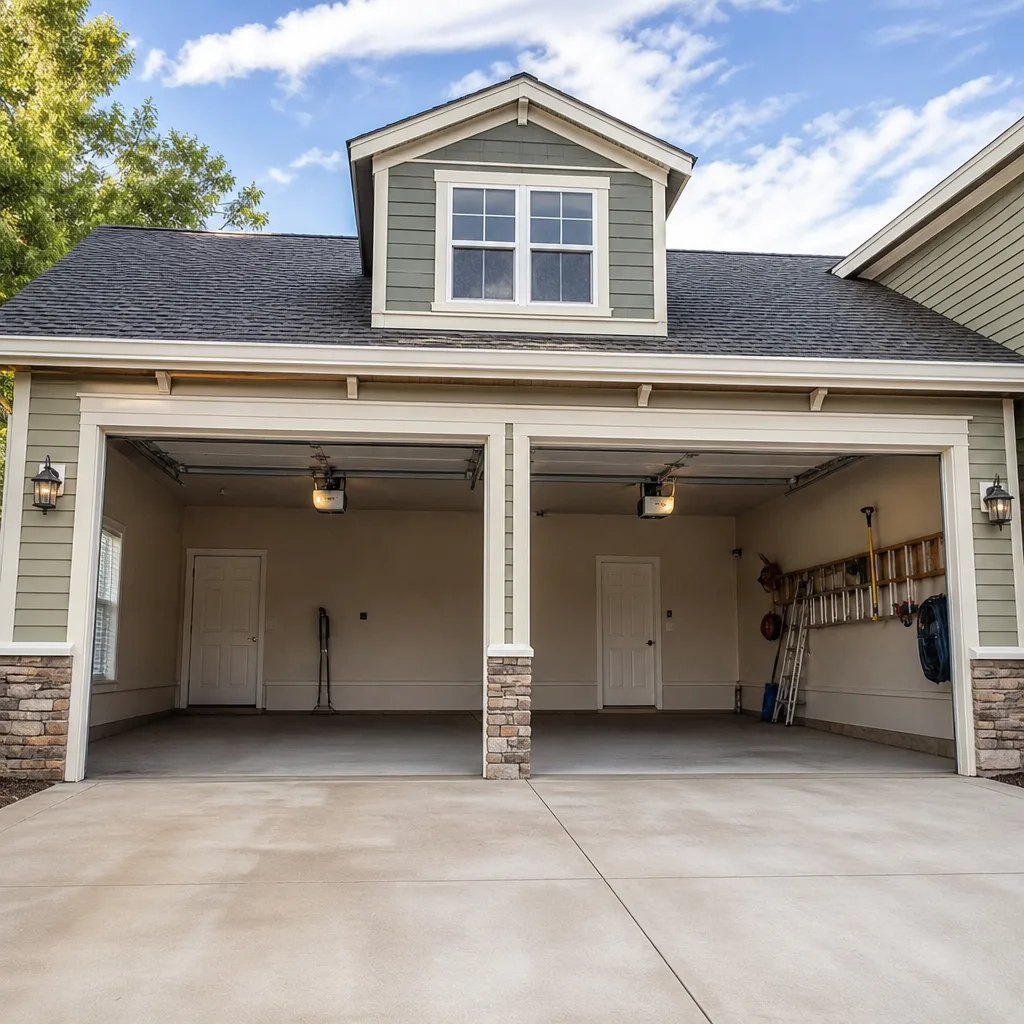
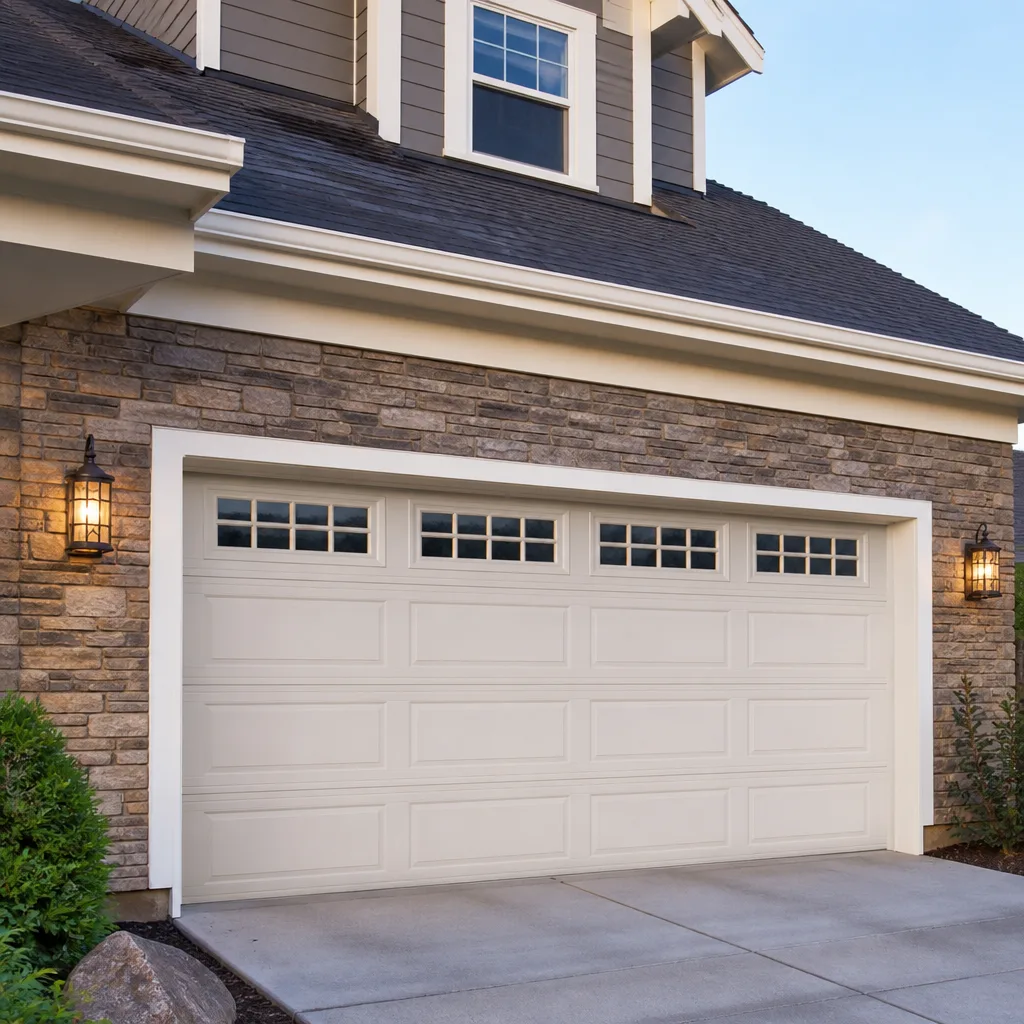
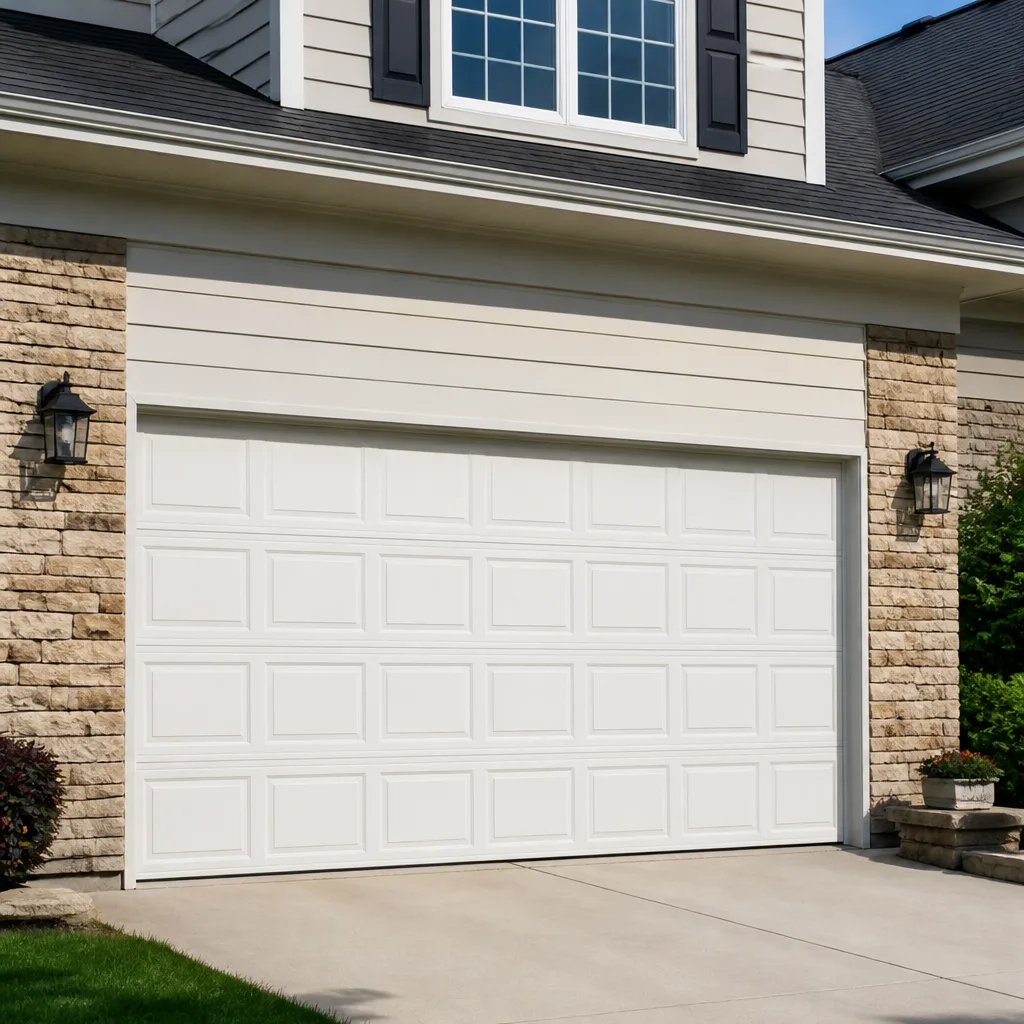 Raised-panel steel
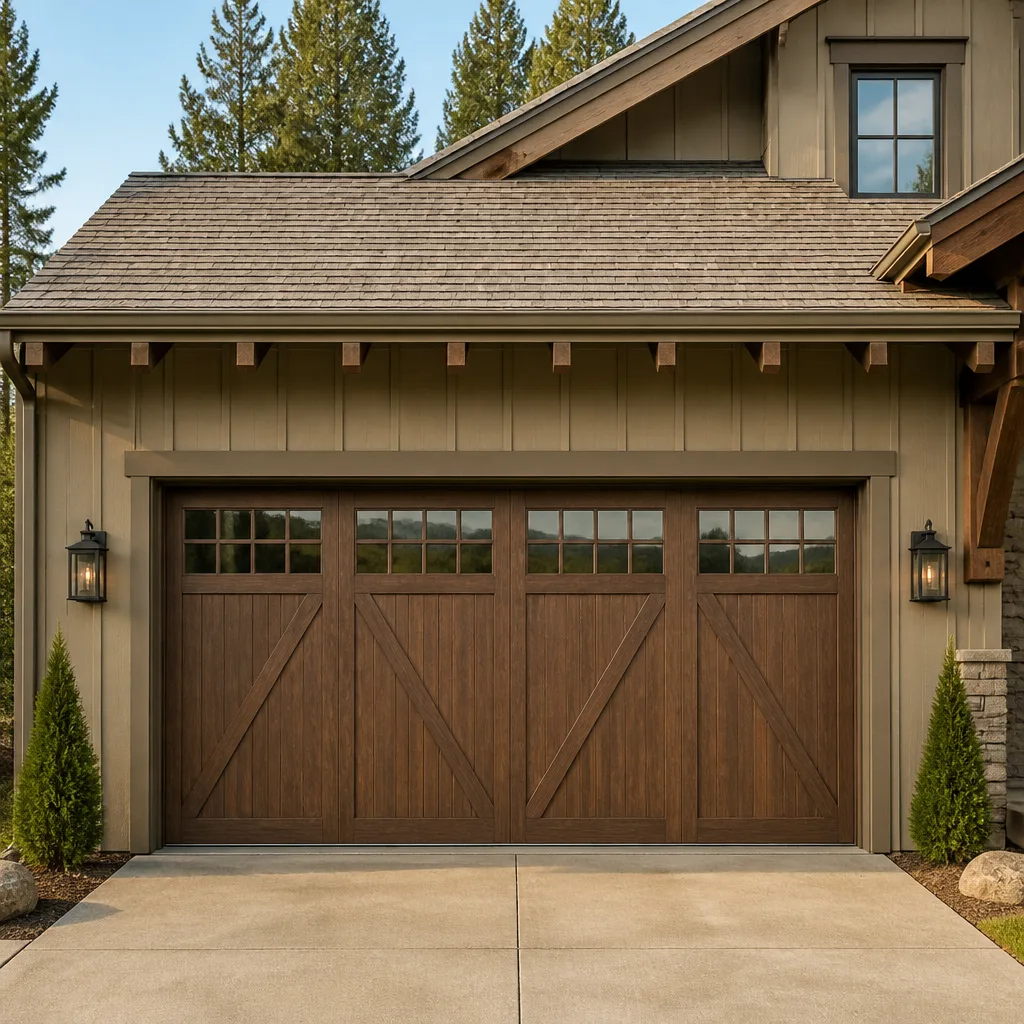 Carriage house
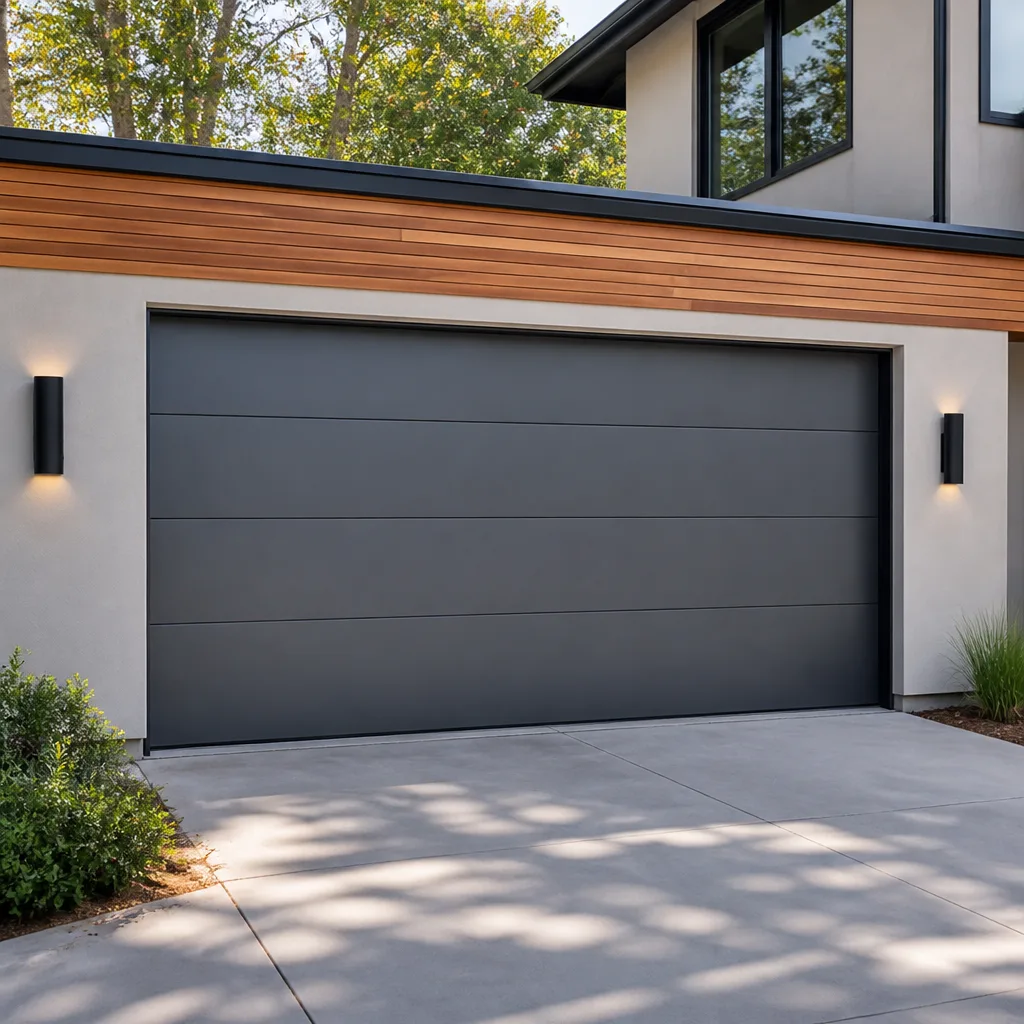 Modern flush
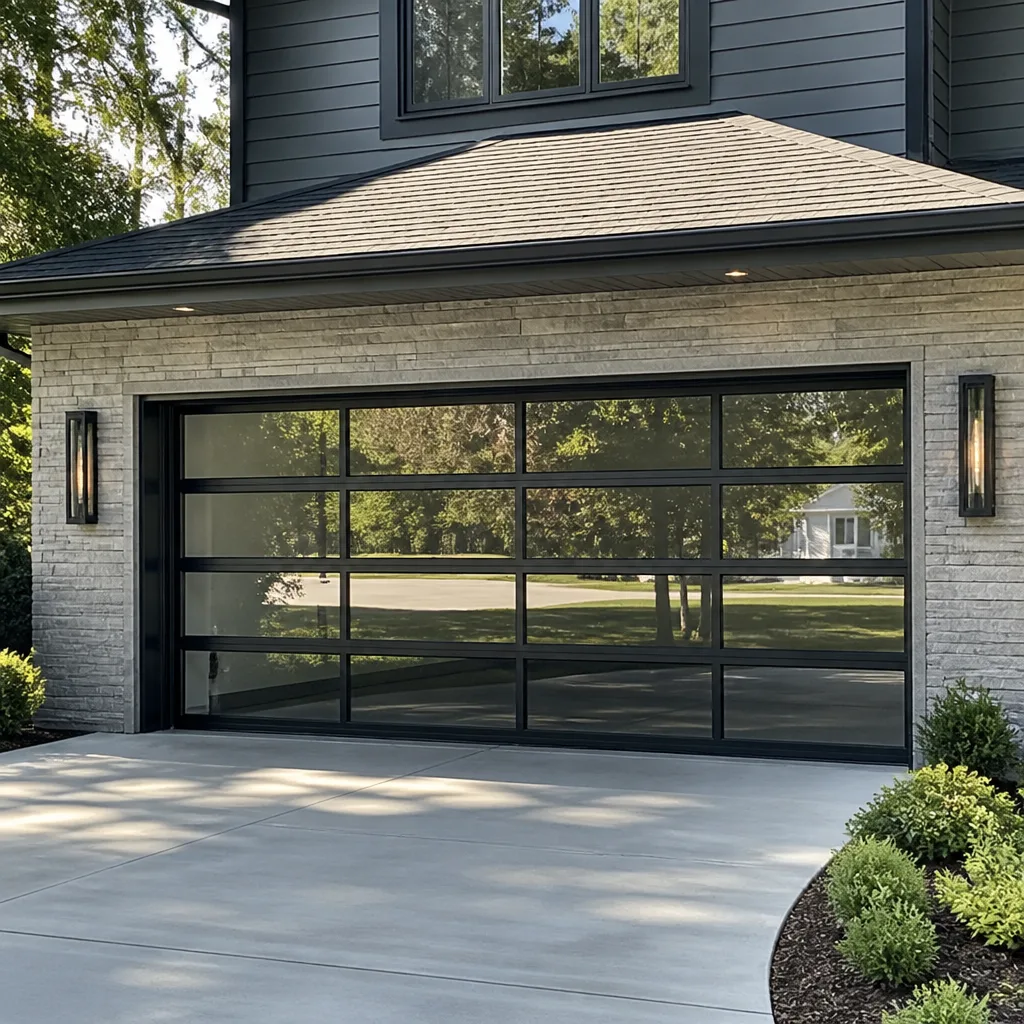 Full-view glass
 LiftMaster openers
 Chamberlain openers
Full 25-point door and opener safety check with every visit - springs, cables, rollers, tracks, and your LiftMaster or Chamberlain opener included
You get a price before we start. It does not change when the truck arrives.
Get your free estimateSeasonal Garage Door Care for Lake Forest: Year-Round Homeowner’s Guide
Lake Forest averages 278 sunny days a year, which sounds like ideal conditions for just about anything with moving parts. But constant UV exposure and summer temperatures that regularly cross 100°F age garage door components faster than a Chicago winter does. The sun bakes springs and seals until they lose flexibility. The dry air means dust settles into tracks in a way rain climates never see. And then there’s the Santa Ana season, when your door cycles against high winds for weeks at a stretch. This guide walks through what actually happens to your garage door in Lake Forest across the year, month by month, and what to do about it before small wear becomes a repair you didn’t schedule.
Quick Answer
Seasonal garage door care in Lake Forest means four distinct maintenance windows: Santa Ana wind checks in fall, heat and sun protection in summer, corrosion inspection during marine layer months, and dust management year-round. Most homeowners need about 15 minutes per month to catch the issues that lead to real failures, and the majority of what you’ll find doesn’t require professional help – our complete garage door repair guide for Lake Forest homeowners covers the DIY-friendly tasks in detail. The things that do require a technician – spring tension, opener logic boards, cable replacement – are cheaper to handle early than after they fail.
Styles & brands we work with
- Raised-panel steel
- Carriage house
- Modern flush
- Full-view glass
- LiftMaster openers
- Chamberlain openers
Table of Contents
- Why Lake Forest Has Its Own Garage Door Calendar
- Santa Ana Season: October Through December
- Heat Peak: June Through September
- Marine Layer Months: January Through March
- Year-Round Dust Management for Foothill Homes
- The 15-Minute Monthly Task Calendar
- Common Mistakes to Avoid
- When to Call a Professional
Why Lake Forest Has Its Own Garage Door Calendar
National garage door maintenance guides assume a four-season climate with freezing winters and humid summers. Lake Forest doesn’t have those problems, so those guides miss the ones we do have – check our complete guide to garage doors in Lake Forest for advice that actually fits this climate. The city sits in the Saddleback Valley, where the marine layer rolls in from the coast but burns off by late morning for most of the year. Homes in the Portola Hills and Foothill Ranch sections sit at higher elevation with more wind exposure, while neighborhoods down along El Toro Road and toward the 5 freeway get less wind but more dust from daily traffic. These differences mean two houses in the same ZIP code can need different maintenance timing.
The four stress periods we see in our service area are Santa Ana wind season (October through December), the summer heat peak (June through September), the persistent marine layer months (January through March), and the dry dust accumulation that never really stops. Each one stresses different components in different ways. A door that gets a quick inspection during each of these windows rarely surprises its owner with a failure.
The good news is that most of this maintenance is visual and simple. You’re looking at wear patterns, listening for changes in sound, and testing balance and travel. You’re not rebuilding anything. When you do find something beyond a homeowner’s scope, a garage door repair in Lake Forest is usually a same-day job, not a multi-week project.
Santa Ana Season: October Through December
Santa Ana winds hit Lake Forest differently than they hit canyon communities like Silverado or Modjeska. We get the sustained 20-30 mph gusts without the extreme 60+ mph bursts, but the pattern matters more than the peak speed. For six to eight weeks, your door gets pushed and pulled every time it opens while wind is pressing against it. That lateral force works on the hinges, the rollers, and the horizontal track brackets in ways the door’s normal vertical operation never does.
What High-Wind Cycling Does to Your Door
Think about how a garage door opens: the panels roll up along tracks and settle horizontal. Wind pushing against the door while it’s partially open creates a twisting load. The roller stems take that load first. Over a Santa Ana season, roller stems that were already worn develop play, and play turns into rollers that ride unevenly in the track. That’s the grinding sound you might hear starting in November and ignoring until January.
Spring tension is the second casualty. Torsion springs are calibrated to the door’s weight, not to wind load. When the door operates against gusting wind repeatedly, the springs cycle through their torque range under a load they weren’t calibrated for. This doesn’t snap springs on its own in most cases, but it does accelerate fatigue. A spring that was at 80% of its rated life before Santa Ana season can be at 95% after. That’s why we see more spring failures in Lake Forest in January and February than any other time of year.
Your October Pre-Wind Checklist
- Open the door halfway and let go. It should stay put, not drift up or down more than an inch or two. Drift means spring tension is off.
- Run the door and watch the rollers where they enter the curved track section. Any wobble or side-to-side movement means a roller stem is wearing.
- Check the horizontal track brackets on the ceiling. Tighten any lag bolts that have worked loose over the summer.
- Listen for any new sound during operation: grinding, squeaking, or a sharp snap. New sounds in October are easier to address than December failures.
- Check the weather seal along the bottom of the door. Santa Ana winds push dust and debris under a door with a cracked seal.
If the balance check shows drift or you hear grinding from the rollers, that’s a job for a technician with the right tools. Spring adjustment and roller replacement involve tensioned components. We handle this work regularly for Lake Forest homeowners throughout the fall, and honestly, catching it in October saves you from a January emergency.
Heat Peak: June Through September
Lake Forest summer heat is steady, not dramatic. We don’t get Palm Springs extremes, but we do get long stretches of 95-100°F days where the garage itself becomes an oven. Interior garage temperatures routinely run 20-30 degrees hotter than outdoor air. A 100°F day means 120-130°F inside the garage, and that’s where your door’s mechanical parts live full-time.
Thermal Expansion and Steel Panel Gaps
Steel garage door panels expand in heat. A 16-foot door will grow by roughly a quarter inch between a January morning at 45°F and a July afternoon at 105°F inside the garage. That’s normal and the door is designed to accommodate it, but it changes how panels seat against each other. Homeowners sometimes notice light gaps between panels during the hottest part of the day that disappear by evening. That’s expansion, not a failing door.
The places where thermal expansion causes real problems are the hinges and the mount points. Hinges bolted tightly to a door that’s expanding and contracting daily work loose over time. Loose hinge screws let panels shift, and shifted panels bind against the track. This is the source of that mid-summer scrape or pop during operation.
Opener Sensitivity Settings and Heat
Garage door opener motors generate their own heat, and when the ambient garage temperature is already 120°F, the motor’s thermal cutoff trips more easily. That’s the scenario where your door opens fine in the morning and refuses to move at 3 p.m. It’s not a broken opener in most cases. It’s thermal protection doing its job. But if it happens repeatedly, the opener’s force sensitivity is likely set too high, and it’s working harder than it should against binding tracks or deteriorating rollers. A technician can reset the sensitivity and diagnose the underlying drag. We list garage door opener repair in Lake Forest as a standalone service for exactly this reason: opener issues are a specific diagnosis, not a side note to door repair.
Summer Heat Checklist
- On a hot afternoon, watch the door run a full cycle. Note any new sounds or hesitation.
- Check hinge screws with a wrench. Do not use an impact driver; hand-tighten only.
- Look at the torsion spring while the door is closed. Rust spots or visible gaps in the coil are signs it’s near the end of its life.
- If the opener trips its thermal cutoff more than once in a week, schedule a sensitivity check.
- Lubricate rollers and hinges with a lithium-based garage door lubricant. Do this in the morning before the garage heats up.
One thing we tell Lake Forest homeowners every summer: the sun damages springs and seals through UV exposure even on days that don’t feel hot. Ultraviolet light breaks down the polymer coatings on torsion springs and makes rubber bottom seals brittle. A five-year-old spring in Lake Forest has absorbed five summers of daily UV, which is more aging than a five-year-old spring in a cloudy climate. If your door is five or more years old and you’ve never had the springs professionally inspected, summer is the time.
Marine Layer Months: January Through March
The post-Santa Ana period in Lake Forest brings the marine layer’s return: morning fog, overnight moisture, and humidity that lingers until mid-morning. Homes closer to the coast side of the valley get more of it. The Aliso Viejo border area and the neighborhoods along Irvine Boulevard see measurable condensation on cold metal surfaces during these months. Homes up in Foothill Ranch get less, but still enough to matter.
The Corrosion Pattern Nobody Looks At
Garage door hardware is galvanized and powder-coated, but those coatings develop micro-scratches from normal operation. Roller stems rub, hinge pins rotate, and bolts get touched by tools during installation or past repairs. Those exposed steel spots are where rust starts. During marine layer season, the overnight condensation on cool metal sits in those spots for hours. Over a few seasons, the corrosion creeps under the coating and starts degrading the fastener.
The components most affected in Lake Forest are bottom bracket hardware and the fasteners on the lower panel hinges. Moisture collects at the bottom of the door first, and it’s the coldest part of the metal because it sits at slab level. We’ve replaced bottom brackets on Lake Forest doors where the bolts were so corroded they snapped on removal. The door still worked fine, right up until it didn’t.
Marine Layer Maintenance Steps
- Inspect the bottom panel brackets and all visible fasteners on the lower third of the door. Look for orange staining or white powdery corrosion.
- Wipe down-corrosion spots with a dry cloth and apply a light coat of rust-inhibiting spray if you see early orange.
- Check the bottom weather seal for brittleness. Cold, damp mornings make an old seal stiffen and crack.
- Open the door and inspect the cable drums and cables while they are under tension. Look for rust on the cable strands near the drum.
- Run the door at night when it’s cool and listen for any change from the warmer daytime operation.
Rusted cables are a safety issue. A cable failure under load can cause the door to drop unevenly. If you see rust on cable strands, do not try to clean or adjust them. Cable replacement requires releasing tension safely, and it’s work for a trained technician. This is one of the times we strongly recommend calling rather than attempting a DIY fix.
Year-Round Dust Management for Foothill Homes
Lake Forest sits at the base of the foothills, and the daily wind pattern moves dust from the open spaces into residential areas almost every afternoon. Homes in Portola Hills, Foothill Ranch, and anywhere near Whiting Ranch get more than homes down in the flats. The dust is fine and abrasive, and it works its way into every moving part of a garage door system.
How Dust Accelerates Roller Wear
Garage door rollers are either steel or nylon, and they roll inside metal tracks. Most modern doors use nylon rollers with sealed ball bearings, but many Lake Forest homes still have older steel rollers. Dust collects in the track, mixes with whatever lubrication is present, and forms a gritty paste. That paste grinds against the roller surface and the track itself. In a rain climate, regular rainfall washes tracks out periodically. Lake Forest doesn’t get that. The dust stays.
The result is accelerated roller wear and track groove development. A door that would roll quietly for 15 years in a wetter climate might develop a rough ride in 8 years here. The fix is simple: keep the tracks clean and use the right lubricant sparingly.
Quarterly Dust Maintenance
- Wipe down the vertical and horizontal tracks with a dry cloth every three months. Do not lubricate the tracks themselves; they’re designed to run dry.
- Apply a small amount of lithium grease to the roller bearings through the access hole if your rollers have one. Steel rollers without bearings get a light oil on the stem.
- Sweep or vacuum the garage floor near the door threshold. Dust kicked up during operation settles directly on the bottom seal.
- Clean the photoelectric sensors with a dry cloth. Dust buildup on the lenses is the most common cause of unexplained door reversals.
- Inspect the opener rail for accumulated dust mixed with old grease. Wipe it down and reapply a thin film of fresh grease if the rail design calls for it.
This is the maintenance most Lake Forest homeowners skip, and it’s the one that costs the least to stay ahead of. A can of lithium grease and a rag handle most of it. The payoff is a door that doesn’t develop the grinding, rough-running complaint we hear most often from the foothill neighborhoods in June and July.
The 15-Minute Monthly Task Calendar
Here’s a month-by-month schedule mapped to what’s actually happening to a Lake Forest garage door. Most tasks take under 15 minutes. The point is regular observation, so you notice changes before they become breakdowns.
- January: Marine layer inspection. Check bottom bracket hardware and lower panel fasteners for corrosion. Wipe down any condensation you see on metal components.
- February: Post-Santa Ana balance check. Open the door halfway and test for drift. Replace the batteries in your opener remotes and keypad while you’re at it.
- March: Cable inspection. Look at cable strands near the drums for rust or fraying. Check the operator rail for dust buildup from winter winds.
- April: Full track cleaning. Wipe down both vertical and horizontal tracks. Test the auto-reverse safety feature with a small object.
- May: Pre-heat inspection. Check hinges for looseness and tighten by hand. Look at the torsion spring for rust or gaps while the door is closed.
- June: Lubrication. Apply garage door lubricant to rollers, hinges, and the opener rail. Do it in the morning before the garage heats up.
- July: Watch for thermal cutoff issues. If the opener trips during afternoon heat, note how often. Check sensor alignment.
- August: Hinge re-torque. Thermal expansion through July has loosened screws. Hand-tighten all accessible hinge and track bolts.
- September: Weather seal inspection. Check the bottom seal for cracking from a full summer of UV. Test the door balance again.
- October: Pre-Santa Ana checklist from the section above. Tighten ceiling track brackets. Listen for new sounds.
- November: Wind-season operation check. Run the door on a windy day and watch for lateral movement or binding.
- December: Full visual inspection. Work through every visible component: springs, cables, rollers, hinges, tracks, opener, and seals. Note anything that changed during the month.
Do this for a year and you’ll know your door’s baseline behavior well enough to catch problems early. That’s the entire point of seasonal care. Most major garage door failures announce themselves weeks before they happen. The door gets slightly louder, slightly slower, or slightly less balanced. The homeowner who notices is the homeowner who schedules a convenient repair instead of an emergency replacement. If you’re considering a new door rather than maintaining the current one, we can walk you through garage door installation in Lake Forest and whether repair or replacement makes more sense for your situation.
Common Mistakes to Avoid
- Using WD-40 on rollers and hinges. WD-40 is a solvent, not a lubricant. It cleans out old grease and then evaporates, leaving the components drier than before. Use a dedicated garage door lubricant with lithium or silicone base.
- Lubricating the tracks. This is the most common DIY mistake we see in Lake Forest. Tracks should run dry. Adding grease or oil to tracks just creates the abrasive paste that accelerates roller wear.
- Ignoring small sounds. A faint grinding in October is a $20 roller replacement. The same grinding ignored until January is often a bent track or a broken roller stem. Small sounds are almost always louder repairs later.
- Adjusting springs without the right tools. Torsion springs store enough energy to cause serious injury. The winding bars and procedure matter. If you’re not trained, the balance test is as far as you should go.
- Skipping the balance test. Most people never open their door halfway and let go to see if it stays. It’s the single most informative 10-second check you can do, and it catches spring fatigue before it catches you.
- Replacing the opener before checking the door. When an opener struggles, the problem is often the door: binding tracks, worn rollers, or failing springs adding resistance. Replacing the opener without addressing the door means the new opener fails early too.
- Waiting for a full failure to call. Lake Forest homeowners sometimes wait until the door won’t open at all, and then it’s a car trapped in the garage and a scramble. Most repairs cost the same whether you catch them early or late. The difference is the inconvenience.
When to Call a Professional
Some garage door work is genuinely dangerous to do yourself. Torsion spring replacement, cable repair, and any work involving the spring tension system should never be attempted without proper training and tools. These components are under enough force to cause serious injury, and the safety procedures exist for a reason. Opener logic board issues and remotes are also better left to someone who works on them daily, since misdiagnosis often means buying a new opener when a $40 part would have fixed it.
Beyond the safety items, call a professional when you’ve done a balance test and the door drifts more than a couple inches, when you see rust or fraying on cables, or when the opener trips repeatedly in heat. These are all conditions that get more expensive the longer they wait. Creekside Garage Door Repair offers free estimates in Lake Forest – call (877) 358-5495 and we’ll tell you what’s actually wrong and what it costs to fix. No pressure to approve work on the spot.
See the difference
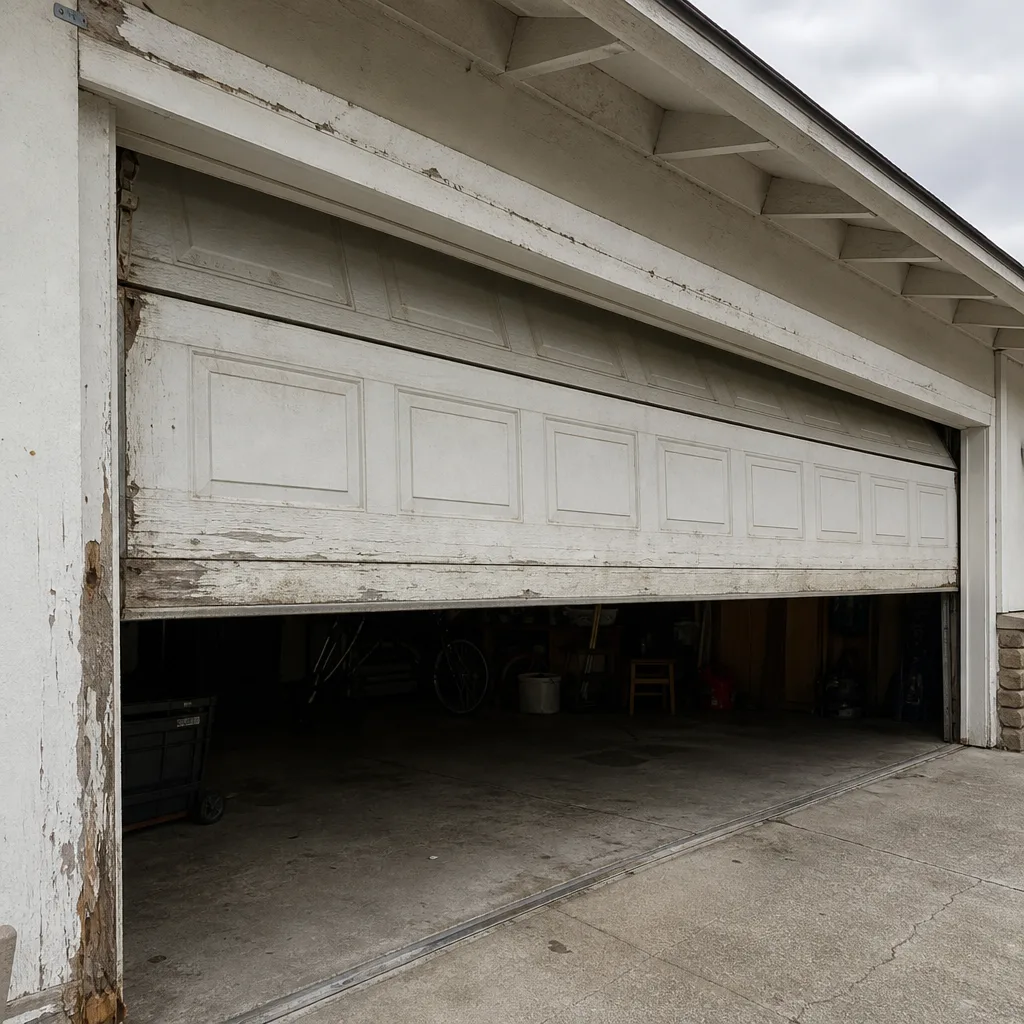 Before
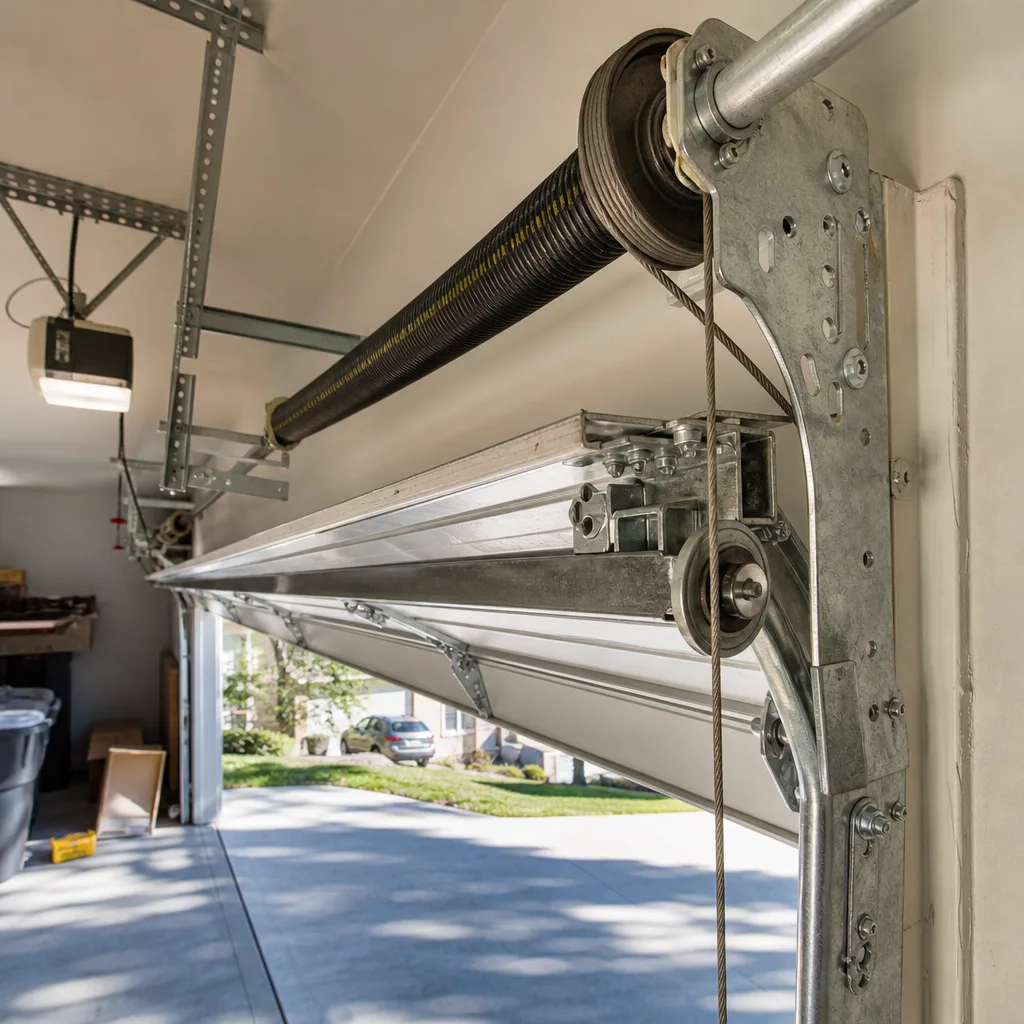 After
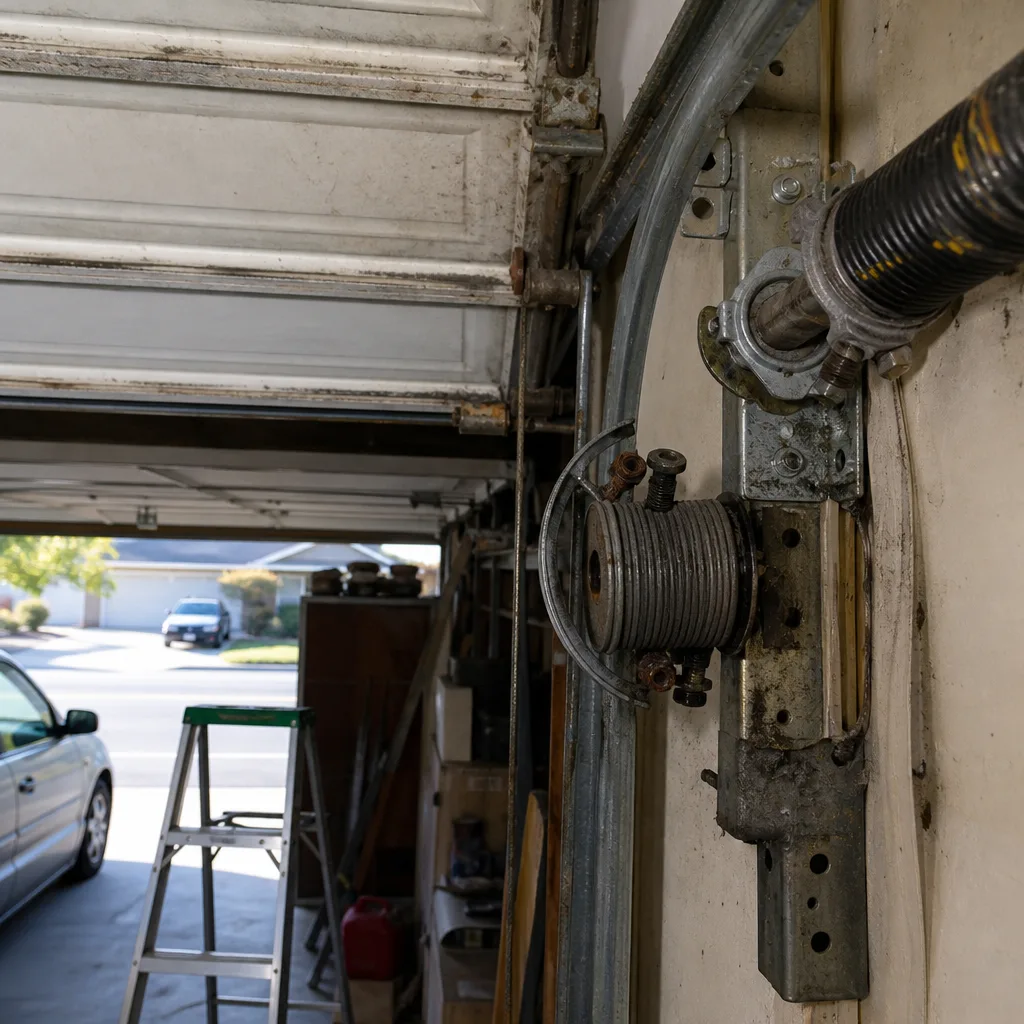 Before
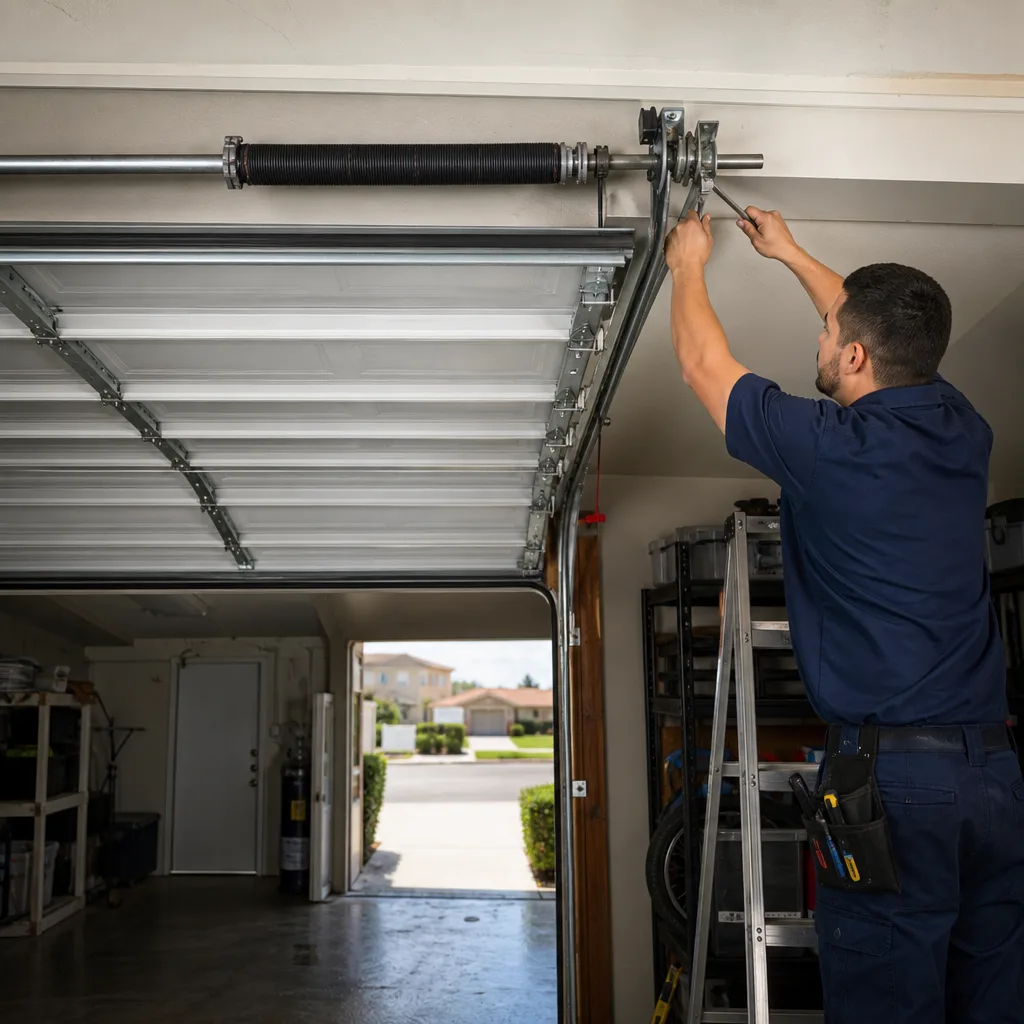 After
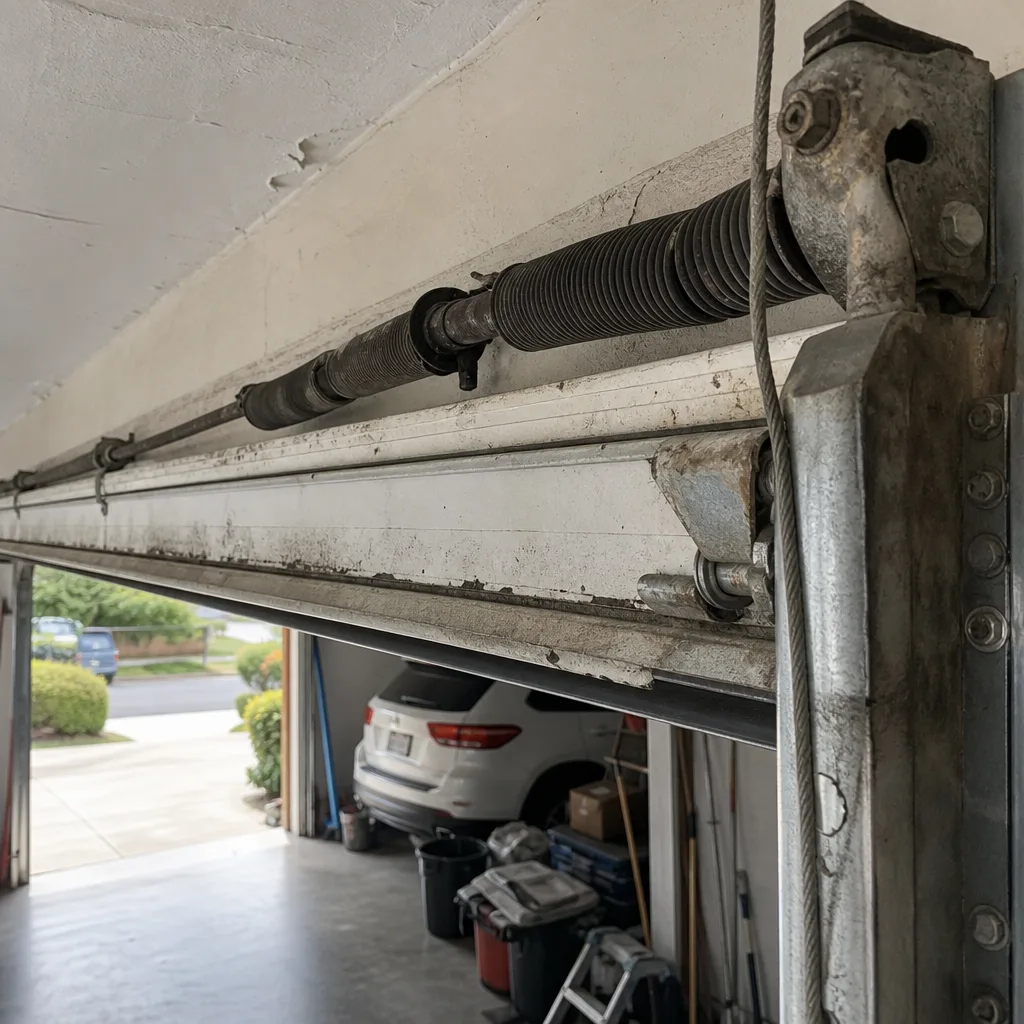 Before
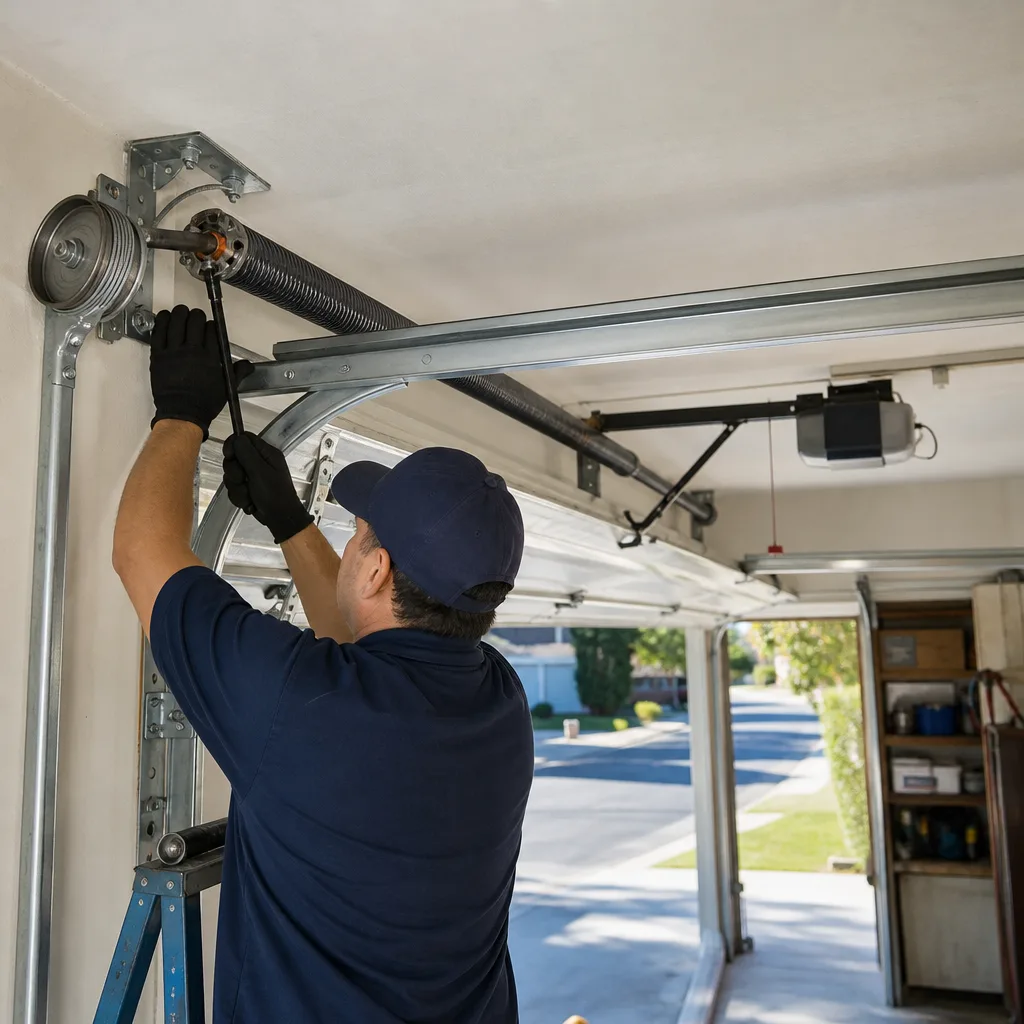 After
Frequently Asked Questions
For someone doing their own monthly checks, the cost is a can of garage door lubricant ($10-15) and the occasional replacement part like a roller or sensor ($15-40 per component). If you prefer a professional to handle it, a service call for inspection and minor adjustments in Lake Forest typically runs $80-150, and most repair parts are quoted separately upfront. Call (877) 358-5495 for a free estimate on any work you’re considering.
No. Monthly lubrication is excessive and creates buildup. Lubricate rollers, hinges, and the opener rail every three to four months using a lithium-based garage door lubricant. The exception is after a heavy dust event like a Santa Ana stretch, when a light cleaning before lubrication makes sense.
Yes, but usually through accumulation rather than a single storm event. The repeated lateral loading over six to eight weeks fatigues spring steel and accelerates roller wear. Most Santa Ana-related failures happen not during the winds, but in the two months after, when the fatigued components finally cycle through their last opening.
Three signs: the door drifts downward when opened halfway and released, the door feels noticeably heavier during manual operation, or you can see a visible gap in the spring coil while the door is closed. Springs in Lake Forest typically need replacement every 7-10 years due to UV exposure and heat cycling, which is shorter than cooler climates.
That’s most often the motor’s thermal overload protection tripping. Garage interiors in Lake Forest reach 120°F and above during heat peaks, and the opener motor overheats under high ambient temperature combined with normal workload. If it happens once, let the opener cool down. If it happens repeatedly, the door likely has excessive resistance from binding components, and the opener is working too hard. That needs a diagnostic visit, not a new opener in most cases.
We service and install doors and openers from Clopay, Amarr, Wayne Dalton, Craftsman, and several other major manufacturers – read our buyer’s guide for choosing the right garage door brand in Lake Forest if you’re considering a replacement. We work on what you have rather than pushing you toward a particular product line. If your existing door or opener is from a major brand, we can almost certainly service it.
The Bottom Line
Lake Forest garage doors face four distinct stress periods each year, and none of them look like the winter-freeze damage most national guides describe. Santa Ana winds fatigue springs and rollers through repeated lateral loading. Summer heat expands panels, trips opener thermal cutoffs, and bakes seals brittle. The marine layer corrodes bottom hardware. And the relentless dust grinds away at rollers and tracks. Fifteen minutes a month, mapped to the actual calendar of this valley, catches all of it early. The homeowners who follow this rhythm rarely face surprise breakdowns. When something does need a professional, you’ll know exactly what to ask for. We’re here for those calls too.
Written by the team at Creekside Garage Door Repair home, serving Lake Forest since 2014.