
Last updated November 3, 2026
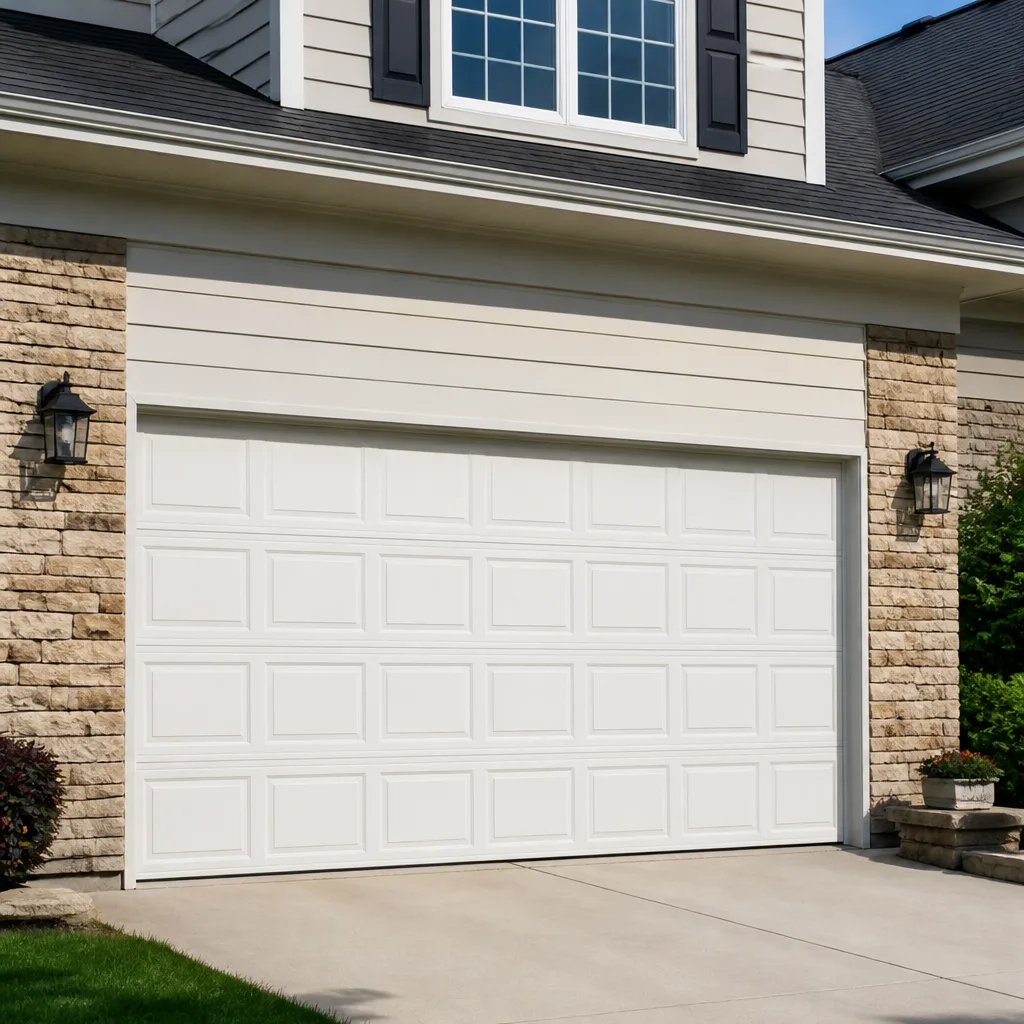 Raised-panel steel
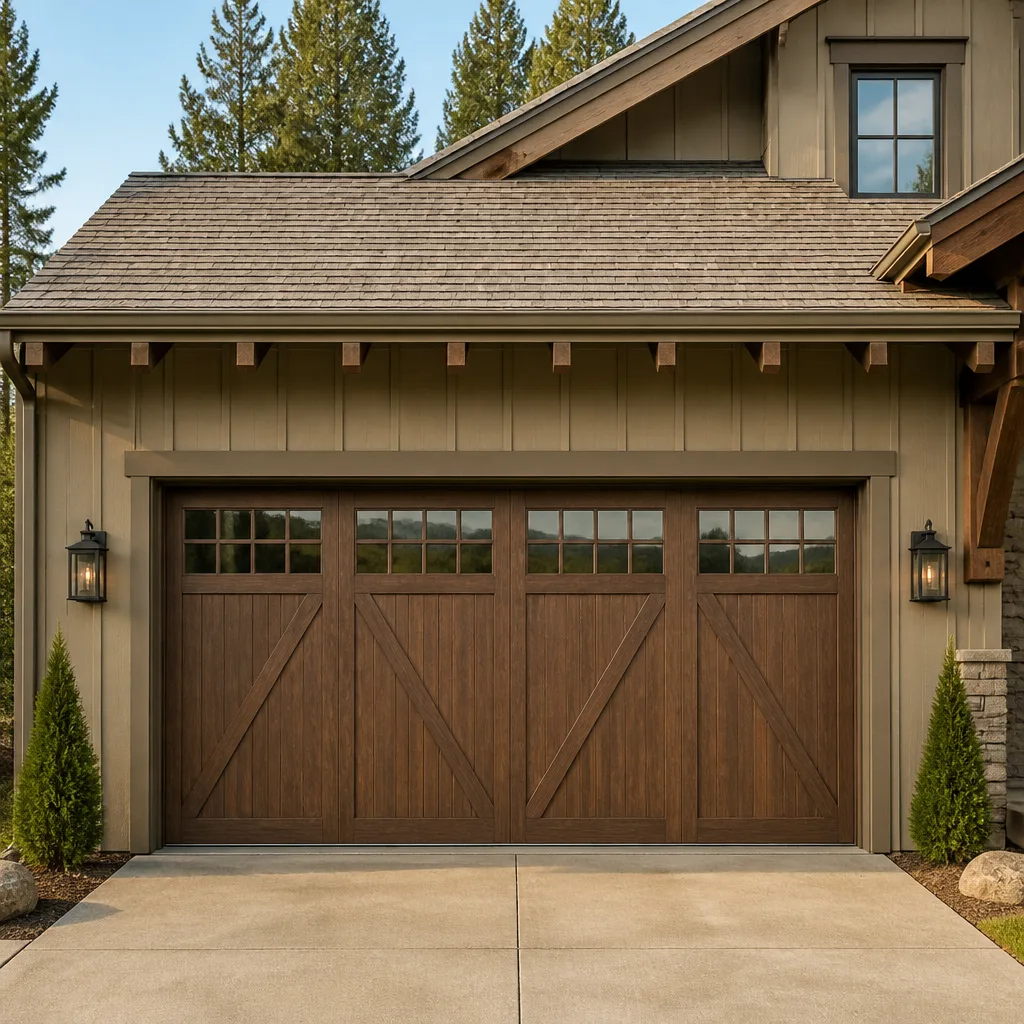 Carriage house
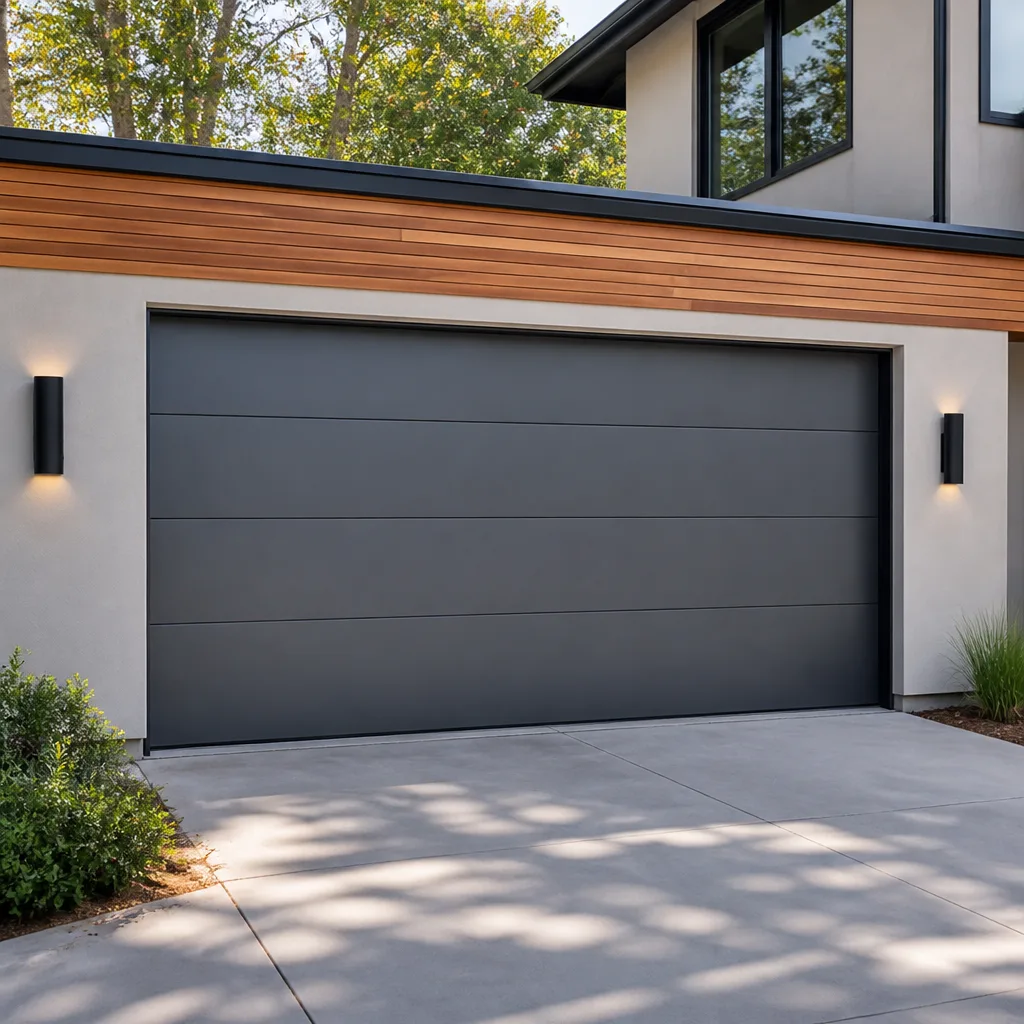 Modern flush
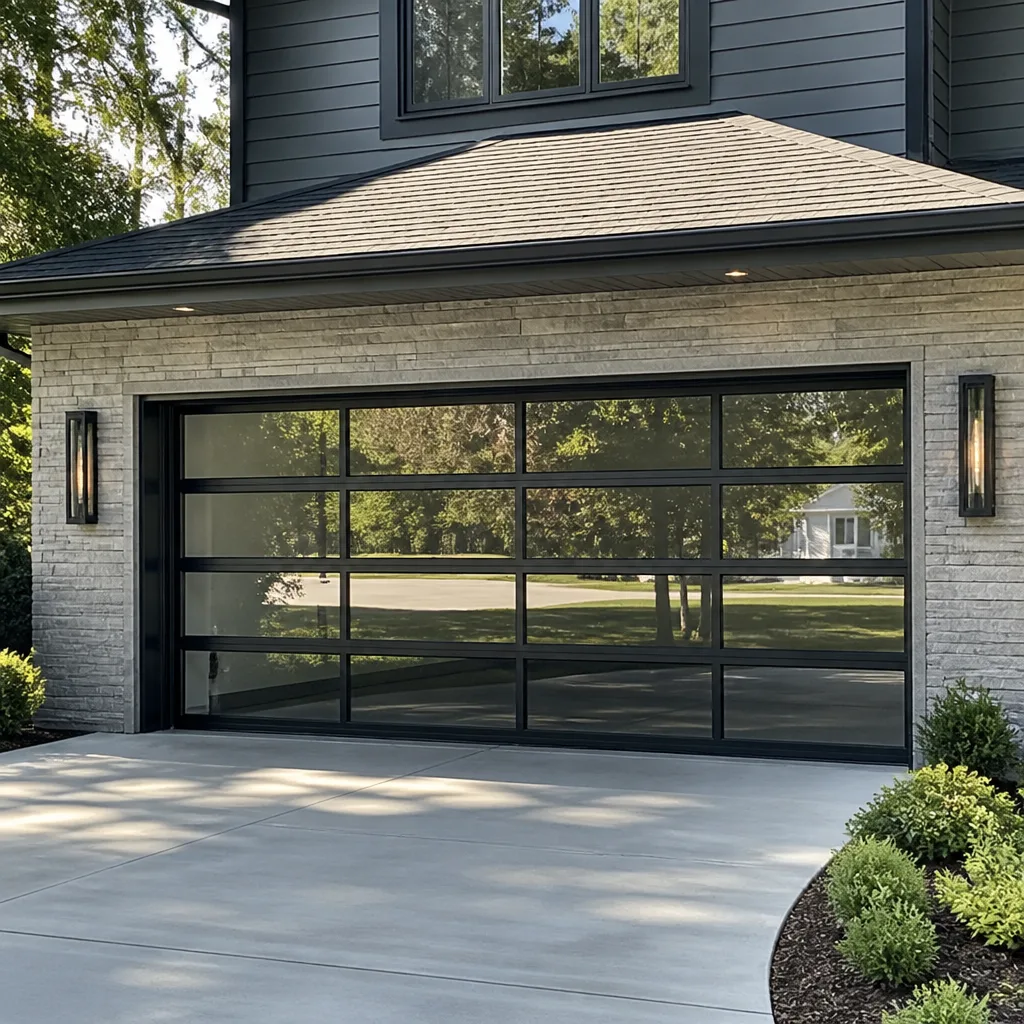 Full-view glass
 LiftMaster openers
 Chamberlain openers
Full 25-point door and opener safety check with every visit - springs, cables, rollers, tracks, and your LiftMaster or Chamberlain opener included
You get a price before we start. It does not change when the truck arrives.
Get your free estimateThe Complete Garage Door Repair Guide for Lake Forest Homeowners
Most garage door repair guides read like they were written for a generic American suburb where the climate is mild, the air is dry, and the biggest threat to a door is the occasional hailstorm. Lake Forest doesn’t work that way. Our city sits in a heat corridor between the Saddleback foothills and the Pacific, which means your garage door endures marine layer humidity at night, 90-degree heat spikes by afternoon, and fine sandy particulate blowing in from the canyons. That combination ages springs, cables, and weatherstripping on a timeline that doesn’t match the national average. This guide maps Lake Forest’s specific conditions to the parts most likely to fail on your door, and you can find The Complete Guide to Garage Door in Lake Forest for deeper context on local conditions, so when something breaks you’ll know exactly what you’re dealing with before you ever pick up the phone.
Styles & brands we work with
- Raised-panel steel
- Carriage house
- Modern flush
- Full-view glass
- LiftMaster openers
- Chamberlain openers
Quick Answer
Garage door repair in Lake Forest CA typically costs between $125 and $400 depending on the component, with spring replacement usually landing in the $180 to $340 range. The most common failures we see in Lake Forest homes are torsion spring breaks caused by temperature swings, track misalignment from settling soil, and weatherstripping deterioration from marine layer moisture and UV exposure. Most repairs can be completed the same day by a qualified technician through our Garage Door Repair services.
Table of Contents
- How Lake Forest’s Climate Ages Your Garage Door Differently
- The Parts of Your Garage Door: What Breaks, What Doesn’t, and What to Never Touch
- How to Inspect Your Door Like a Technician in 10 Minutes
- Brand-Specific Failure Patterns We See Across Lake Forest Neighborhoods
- The Documentation Step That Saves You Money Before You Call Anyone
- Orange County Permit Requirements for Garage Door Work
- What Garage Door Repair Actually Costs in Lake Forest
- Common Mistakes to Avoid
- When to Call a Professional
- Frequently Asked Questions
- The Bottom Line
How Lake Forest’s Climate Ages Your Garage Door Differently
Lake Forest sits at a geographic pinch point where coastal air and inland heat meet. In the morning, the marine layer rolls in from Laguna Beach and Dana Point, bringing humidity that condenses on metal surfaces. By early afternoon, that moisture burns off and temperatures climb into the 80s and 90s, especially in the summer months. This daily cycle of damp-then-dry, cool-then-hot, repeats roughly 300 days a year. That’s 300 expansion and contraction cycles annually on your springs, tracks, and hardware.
Here’s what that actually means for your door:
- Torsion springs are rated for a specific number of cycles, usually 10,000 on standard springs. But in Lake Forest, the constant thermal stress causes micro-fatigue that shortens real-world lifespan by roughly 15-20% compared to doors in more stable climates like Irvine or Tustin. A spring rated for 10,000 cycles may fail at 8,000 or 8,500 here.
- Bottom weatherstripping deteriorates faster than anywhere else in Orange County. The marine layer keeps the rubber damp, then the afternoon sun bakes it. Within two to three years, the seal becomes brittle, cracks, and lets dust, leaves, and the occasional lizard into your garage.
- Track brackets and fasteners loosen more frequently. The expansion and contraction of metal against wood framing works screws loose over time, which is why we see so many doors that rattle, shake, or bind when operating.
- Rollers with metal bearings suffer from the sandy particulate that blows in from the Saddleback foothills. That fine grit works its way into bearings and accelerates wear, causing squealing and rough operation.
The good news is that understanding these patterns means you can anticipate problems before they strand your car in the garage on a Tuesday morning. A quick seasonal inspection goes a long way, and knowing which parts to watch closes the gap between a $100 fix now and a $400 emergency later.
The Parts of Your Garage Door: What Breaks, What Doesn’t, and What to Never Touch
Every garage door has roughly a dozen moving parts, but only a few of them are responsible for the vast majority of failures. Here’s a part-by-part breakdown, including what you can safely handle yourself and what requires a trained professional with specialized tools.
Parts You Can Inspect (and Sometimes Replace) Yourself
- Bottom weatherstripping. This rubber seal runs along the bottom edge of the door. In Lake Forest, it hardens and cracks within two to three years. If you can see daylight under the door when it’s closed, the seal needs replacing. This is a straightforward DIY job for most homeowners.
- Remote batteries and wall button. Before assuming your opener is dead, check the batteries in your remote and the function of the wall-mounted button. We’ve lost count of how many Lake Forest service calls would have been solved with a $3 battery.
- Track alignment by eye. Stand back and look at the door tracks on both sides. They should be parallel and the door should ride evenly. If you hear grinding or see the door shifting side to side, that’s a track issue worth noting before you call.
- Sensor alignment. The photo-eye sensors near the floor on either side of the door can get bumped or knocked out of alignment. If the door starts closing and then reverses, check to see if the small light on each sensor is solid, not blinking.
Parts That Need a Professional
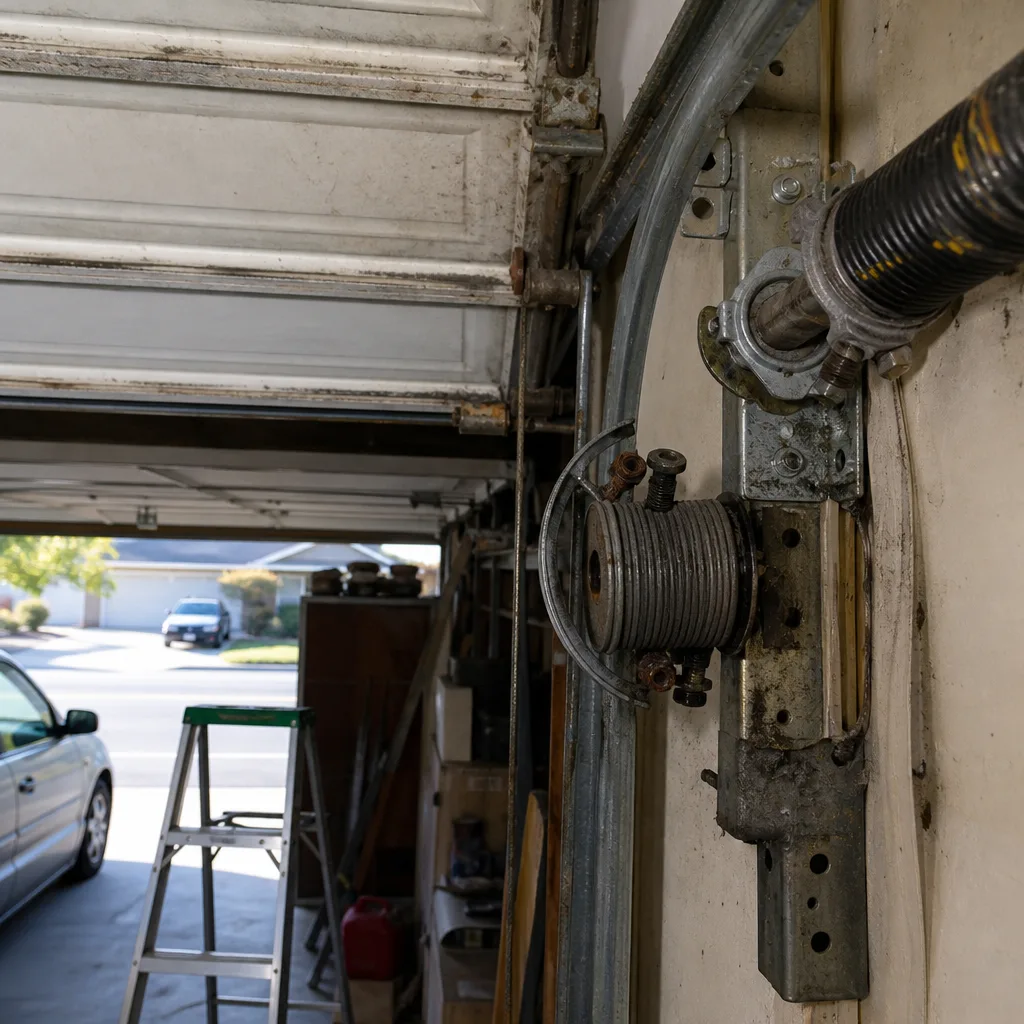
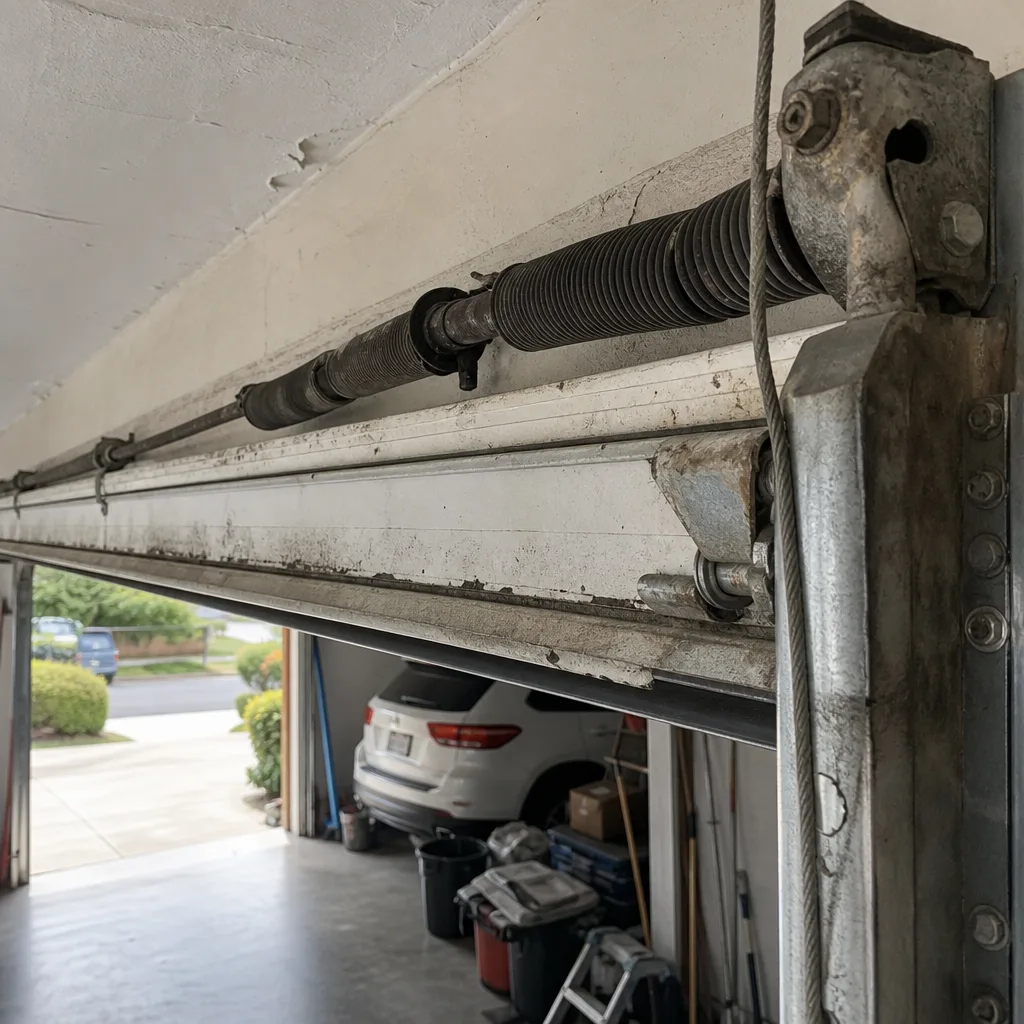
- Torsion springs. These are the large springs mounted above the door opening. They are under enormous tension and can cause serious injury or death if mishandled. There is no safe DIY version of torsion spring replacement. If your spring is broken, call a technician. This is a safety issue, not a preference.
- Cables. The cables work in tandem with the springs and are also under high tension. A frayed or snapped cable means the door is no longer counterbalanced, which puts stress on every other component. Cable repair requires professional tools and training.
- Opener motor and logic board. Modern openers from LiftMaster, Chamberlain, and Genie have circuit boards that diagnose problems via blinking error codes. A technician reading those codes can often identify the exact failed component in under a minute. Opening the motor housing yourself voids most warranties.
- Door panels and sections. A dented or damaged panel might look like a simple bolt-on replacement, but section alignment matters. A door that’s out of square will strain the springs and tracks and can fail again within months.
One important note: tension injuries from garage door springs are among the most common causes of DIY home repair fatalities each year. The springs store enough force to lift hundreds of pounds. When a spring snaps under tension, the release of that force happens in a fraction of a second. If you suspect a spring has broken, don’t try to remove the old one. Step away from the door, leave the garage door closed, and call a technician.
How to Inspect Your Door Like a Technician in 10 Minutes
You don’t need any special tools to perform a basic inspection that will catch most problems before they become emergencies. Here’s the step-by-step process we walk Lake Forest homeowners through when they want to understand what’s happening with their door, and you can explore more guides & resources once you’ve finished.
- Open the door fully and look at the springs. The torsion springs are above the door opening. Look for a visible gap in the coil, which indicates a break. If the door has extension springs along the sides, check if both springs look identical in length and tension. A door with one broken spring often hangs slightly uneven.
- Close the door and check the weatherstripping. Run your hand along the bottom seal and look for cracks, brittleness, or gaps where light comes through. In Lake Forest, this seal typically needs replacement every two to three years because of our marine layer and heat combination.
- Listen to the door as it opens and closes. A door in good condition should produce a steady, low hum. Grinding, creaking, popping, or rattling tells you something specific: grinding usually means roller bearings are failing, popping often indicates track misalignment, and rattling points to loose fasteners or brackets.
- Watch the door for smoothness. Does the door hesitate, jerk, or wobble as it travels? A door that moves unevenly is often a sign of a cable issue or a track that’s out of alignment. If the door visibly shifts left or right while moving, that’s a track problem worth addressing soon.
- Test the balance manually. Pull the red emergency release cord while the door is closed. Then try to lift the door manually. It should lift smoothly with moderate effort and stay open around waist height without falling or shooting up. If it’s heavy to lift or slams shut when released, your springs are likely worn or broken. This test is safe to do, but only with the door in the down position and no car underneath.
- Check the photo-eye sensors. With the door open, press the wall button to close it and wave your foot through the sensor beam. The door should reverse immediately. If it doesn’t, you have a sensor problem that needs attention before someone or something gets pinned.
This inspection takes ten minutes and gives you a solid picture of your door’s health. Write down anything unusual. When you call a repair company, having specific observations ready cuts diagnostic time significantly.
Brand-Specific Failure Patterns We See Across Lake Forest Neighborhoods
One of the most useful things we’ve learned from working on doors throughout Lake Forest is that brand matters when it comes to what fails first. A Clopay door in Foothill Ranch doesn’t age the same way as an Amarr door in Portola Hills, even when both are exposed to the same climate. Here are the patterns we see most frequently.
Clopay Doors in Foothill Ranch and Baker Ranch
Clopay doors are common in the newer developments around Foothill Ranch and Baker Ranch. What we see consistently is that Clopay’s torsion spring configuration works hard in this specific climate. The springs are often rated for fewer cycles than premium aftermarket options, and the daily thermal swings shorten that lifespan further. Clopay doors also tend to develop roller noise earlier than other brands because the factory rollers are nylon with basic bearings. When we replace Clopay rollers with higher-grade sealed bearings, the noise disappears and the door operates noticeably smoother. If you live in Foothill Ranch and your Clopay door has started sounding rough, check the rollers before assuming the opener is the problem.
Amarr Doors in Portola Hills and Whisler Ridge
Amarr builds a solid door, and the ones in Portola Hills and along the ridgelines hold up well structurally. What we see more often on Amarr doors is weatherstripping failure. The bottom seals on Amarr models tend to be thinner than what’s installed on other brands, and the combination of marine layer moisture and afternoon heat in Portola Hills cracks these seals faster. Homeowners in those neighborhoods should plan on replacing the bottom seal every 18 to 24 months rather than the two-to-three-year average elsewhere in Lake Forest.
Wayne Dalton Doors in Lake Forest Proper and Sundowner
Wayne Dalton uses a different spring system than most brands, and the doors in the older Lake Forest neighborhoods and the Sundowner tract reflect that. Wayne Dalton’s TorqueMaster spring system is enclosed in a tube, which makes it harder to visually inspect. We’ve found that homeowners with these doors often don’t realize their springs are failing until the door stops operating entirely. If you have a Wayne Dalton door and it’s more than seven years old, a professional inspection is worth scheduling even if everything seems fine.
The overall point is this: knowing your door’s brand isn’t just useful for ordering parts. It tells you what to watch for. The technician who shows up at your house with a truck stocked for your specific brand ecosystem will solve the problem faster than someone who has to diagnose from scratch.
At Creekside Garage Door Repair, we service all eight major brands, including Chamberlain, Genie, Clopay, and Amarr. What that means in practice is that when you call us about a Clopay door in Foothill Ranch, the technician who arrives already knows the likely culprits before the truck even stops in your driveway.
For more detail on our approach to brand-agnostic repair, see our Garage Door Repair in Lake Forest service page.
The Documentation Step That Saves You Money Before You Call Anyone
Here’s the single most useful thing you can do before calling a garage door repair company: document your equipment. Most homeowners can’t answer basic questions about their door when they call. What brand is it? What size are the springs? What model is the opener? Those answers determine which parts the technician stocks, what the likely cost range is, and how long the repair will take.
Here’s what to record, and where to find it:
- Door brand and model. Look at the inside of the door panels. Most manufacturers stamp the brand name and sometimes the model number on the interior surface or on a sticker near the bottom panel. Write down everything you see.
- Spring size and color code. Torsion springs have a color painted on the end of the coil. That color tells a technician the wire diameter and coil size, which determines the exact replacement spring. If you can see any color on the spring end, note it.
- Opener brand and model number. The model number is usually on a sticker on the side or back of the motor housing, visible when the opener cover is closed. LiftMaster and Chamberlain openers have a prominent model label. Genie openers often have it printed near the light lens. Write down both the brand and model number.
- Door size. Measure the width and height of the opening. Most garage doors in Lake Forest are either 8×7, 9×7, or 16×7, but custom sizes exist, especially in older neighborhoods.
- Photos of the problem. If something is visibly broken, a sagging cable, a cracked panel, a spring with a gap, take a photo with your phone. Send it to the repair company when you call. A good photo can turn a mystery into a straightforward repair before the truck even leaves the shop.
When a Lake Forest homeowner calls us with brand, model, and spring size already in hand, we can often quote the repair price on the phone and bring the exact parts on the first trip. When that information is missing, there’s a chance the technician has to make a second trip for the right part, and that delays the fix and sometimes adds cost. Five minutes of documentation at the start saves both.
If you’re dealing with an opener that’s showing blinking lights or error codes, our Garage Door Opener Repair in Lake Forest page explains what those codes mean and how we diagnose them.
Orange County Permit Requirements for Garage Door Work
One question we hear regularly from Lake Forest homeowners is whether a garage door repair or replacement requires a permit. The answer depends on the scope of the work, and understanding this before you start saves time and potential trouble.
Here’s the practical breakdown for Orange County and Lake Forest specifically:
- Repairs to existing components do not require a permit. Replacing a spring, cable, roller, track, weatherstripping, or opener is considered routine maintenance and repair. No permit application is needed, and the work can happen the same day.
- Replacing a door panel or section does not require a permit as long as the door opening size is unchanged and the structural framing stays intact. This is considered a repair, not a renovation.
- A full door replacement on an existing opening generally does not require a permit when the new door fits the same rough opening and no structural changes are made. This is the most common scenario for Lake Forest homeowners replacing a Clopay or Amarr door with a new model.
- A permit is required if you’re changing the size of the opening. Widening or heightening a garage door opening means structural modification to load-bearing walls, which requires engineered drawings and a building permit from the City of Lake Forest Building Division. This is rare for most homeowners but important to know if you’re planning a major remodel.
- Electrical work on the opener circuit does not typically require a permit as long as you’re replacing an existing opener in its original location. Adding a new electrical outlet or relocating the opener would put you into permit territory.
The general rule is simple: if you’re keeping the same opening and the same electrical wiring, you’re almost certainly fine without a permit. If you’re changing the structure or the electrical layout, check with the City of Lake Forest Building Division before you start. Any reputable installation company will confirm this for you before scheduling work. For information on what a full replacement involves, see our Garage Door Installation in Lake Forest page.
What Garage Door Repair Actually Costs in Lake Forest
Every garage door repair guide should be honest about money, and this one is no exception. Here are the real price ranges we see across Lake Forest and the surrounding Orange County market. These are the numbers homeowners should expect, not promotional estimates that leave out labor or parts.
Typical Garage Door Repair Costs in Lake Forest
- Torsion spring replacement: $180 to $340, including parts and labor. Most doors use two springs, and the common practice is to replace both at the same time since they wear at the same rate. This range covers standard residential springs.
- Extension spring replacement: $130 to $220. Extension springs are less common on newer doors but still widely used on older homes throughout Lake Forest.
- Cable replacement: $140 to $260. Cables are usually replaced as a pair, and the labor includes re-tensioning the springs afterward.
- Track repair or realignment: $110 to $250 depending on the extent of the bend or misalignment and whether brackets need to be replaced.
- Roller replacement: $85 to $180 for a full set of nylon rollers with sealed bearings, which is what we recommend for quiet operation.
- Weatherstripping replacement: $70 to $140 for the bottom seal, depending on door width.
- Opener motor replacement: $300 to $550 for the unit including installation, with labor varying by brand and whether new mounting hardware is required.
- Sensor repair or replacement: $85 to $150, often due to alignment issues or damaged sensor housings.
These ranges reflect what Lake Forest homeowners should expect to pay from a licensed, insured repair company. Prices from unlicensed handymen may be lower, but that savings disappears quickly when a misdiagnosed repair fails again in six months. Every reputable company in our area, including Creekside, quotes the price before work starts and sticks to it. If a repair estimate strains that range significantly upward, ask for a breakdown. If a quote comes in dramatically lower, ask whether the parts are new or salvaged, and whether labor is included or just the part.
We serve the full Creekside Garage Door Repair home service area across Lake Forest, and our pricing stays consistent within these ranges because we see the same patterns every day. If you want an exact price for your specific door, call us and have your brand and model information ready. We’ll quote it accurately.
Common Mistakes to Avoid
- Ignoring a noisy door for months. A door that creaks, pops, or grinds is telling you something specific. In Lake Forest’s climate, that noise often means roller bearings are filling with fine grit from the foothills. Ignore it long enough and a $90 roller replacement becomes a bent track and a $250 repair.
- Trying to replace a torsion spring yourself. This is the most dangerous DIY project in residential home repair. The springs store enough force to lift a car, and when they release unexpectedly, that force hits whoever is in the way. No repair guide, including this one, can make this safe without professional training and winding bars.
- Lubricating the tracks. Tracks should stay dry. Grease or oil on the track simply collects dust and grit, which then grinds into the rollers and causes more friction. Lubricant belongs on the springs, hinges, and roller bearings, not the track itself.
- Replacing one spring when both are worn. Springs are rated for a set number of cycles, and both springs on your door have cycled the same number of times. Replace one and you’ll likely be replacing the other within a few months. Doing both at once is cheaper than two service calls.
- Assuming the opener is the problem. When a door won’t open, the most common cause in Lake Forest is actually a broken spring, not a failed opener. The opener motor has no chance to lift a door that’s suddenly weighing hundreds of pounds more than it should. We see many homeowners replace a perfectly good opener when the spring was the real issue.
- Choosing a repair company based on price alone. The lowest bid on a garage door repair often comes from someone who doesn’t carry insurance, doesn’t stock the right parts, and won’t be reachable when the fix doesn’t hold. The right company quotes a fair price, shows up when they say they will, and backs their work.
When to Call a Professional
Most garage door problems should be handled by a trained technician. Here are the scenarios that warrant a professional call, along with what to expect.
If your door has a broken spring, a frayed cable, a bent track, or a panel that’s come off its hinges, stop using the door and call a technician. These are structural failures that put stress on every other component, and operating the door in that condition makes the damage worse. If your opener is making a humming sound but the door isn’t moving, that’s usually a spring or gear issue, not a motor problem, and a technician can diagnose it in minutes. If your door reverses unexpectedly, the sensors or opener logic need checking, and a professional has the diagnostic tools to pinpoint the cause.
Creekside Garage Door Repair offers free estimates in Lake Forest. We work on what you have, not on what we’d prefer to sell you. Call (877) 358-5495 for an honest assessment and a price before any work starts.
Frequently Asked Questions
Most garage door repairs in Lake Forest cost between $125 and $400, with torsion spring replacement typically running $180 to $340 and cable replacement between $140 and $260. The exact price depends on your door’s brand, size, and spring configuration, all of which we quote before starting work. Call (877) 358-5495 for an exact estimate for your specific door.
Yes, most repair issues in Lake Forest can be addressed the same day, especially spring, cable, and roller replacements. Having your door’s brand and model information ready when you call helps us bring the right parts on the first trip. Creekside schedules same-day appointments for repairs throughout the Lake Forest area.
No, replacing a garage door on the existing opening does not require a permit in Lake Forest as long as the structural opening stays unchanged and no new electrical wiring is added. Permits only come into play if you’re changing the size of the opening or doing structural work. A reputable installer will confirm this before scheduling.
A loud bang followed by a non-functioning door is the classic sign of a torsion spring breaking. The spring snaps under tension, and the door suddenly loses its counterbalance, which makes it impossible for the opener to lift. This is a safety-critical repair that requires a professional with the right tools and training.
In Lake Forest’s climate, standard torsion springs typically last 7 to 10 years depending on how often you cycle the door. The daily heat and humidity swings shorten spring life compared to more stable climates, so plan on inspection at the 7-year mark. Springs rated for 10,000 cycles usually achieve about 8,000 to 8,500 in our area.
When the door opens a few inches and then stops, the most common cause is a broken spring that’s left the opener carrying the full weight of the door. The opener’s safety systems sense the overload and shut down. Check your springs for a visible gap, and if one is broken, leave the door closed and call a technician. If the springs are intact, the problem is likely a track obstruction or a gear issue in the opener itself.
The Bottom Line
Your garage door in Lake Forest lives a harder life than the same door would in most of the country. The daily cycle of marine layer moisture and afternoon heat ages springs faster, cracks weatherstripping sooner, and works fasteners loose more often. Knowing your door’s brand, documenting its model and spring size, and performing a ten-minute inspection a few times a year puts you ahead of most failures before they happen. When something does break, the right move is a brand-agnostic technician who fixes what you have, quotes the price before starting, and stocks parts for all eight major brands. That’s the fastest path from a stuck door to back up and running.
Written by the team at Creekside Garage Door Repair, serving Lake Forest since 2014.
See the difference
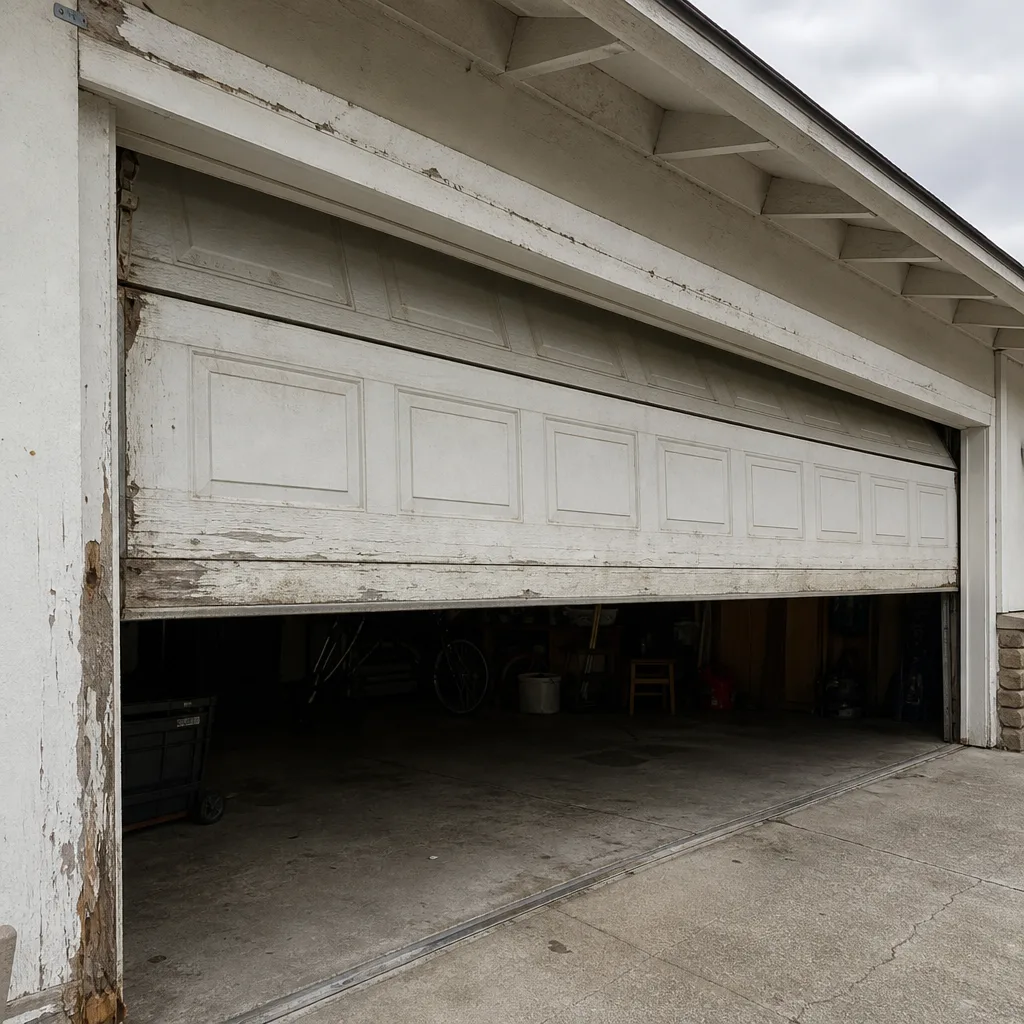 Before
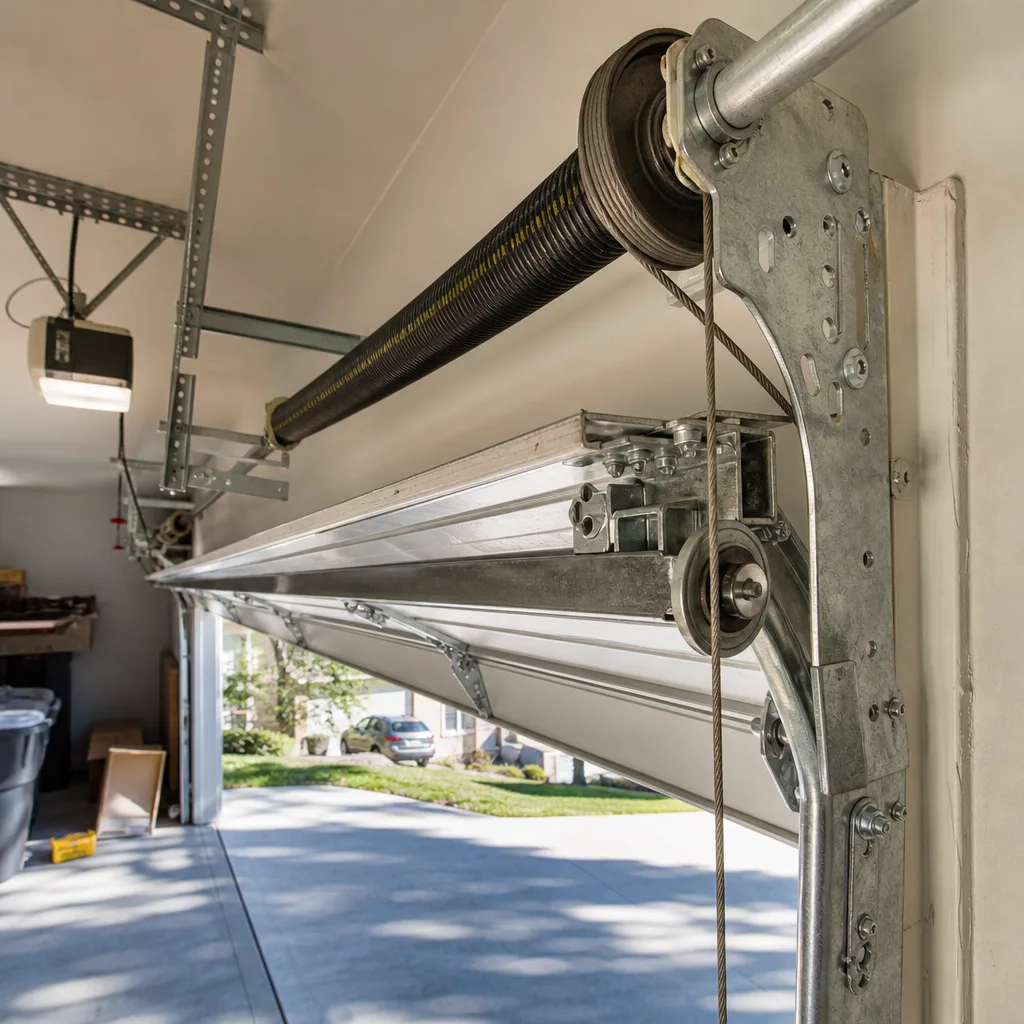 After
 Before
 After
 Before
 After